Skip to Content
Today
Open - 10am-4pm

Where the American West Comes to Life

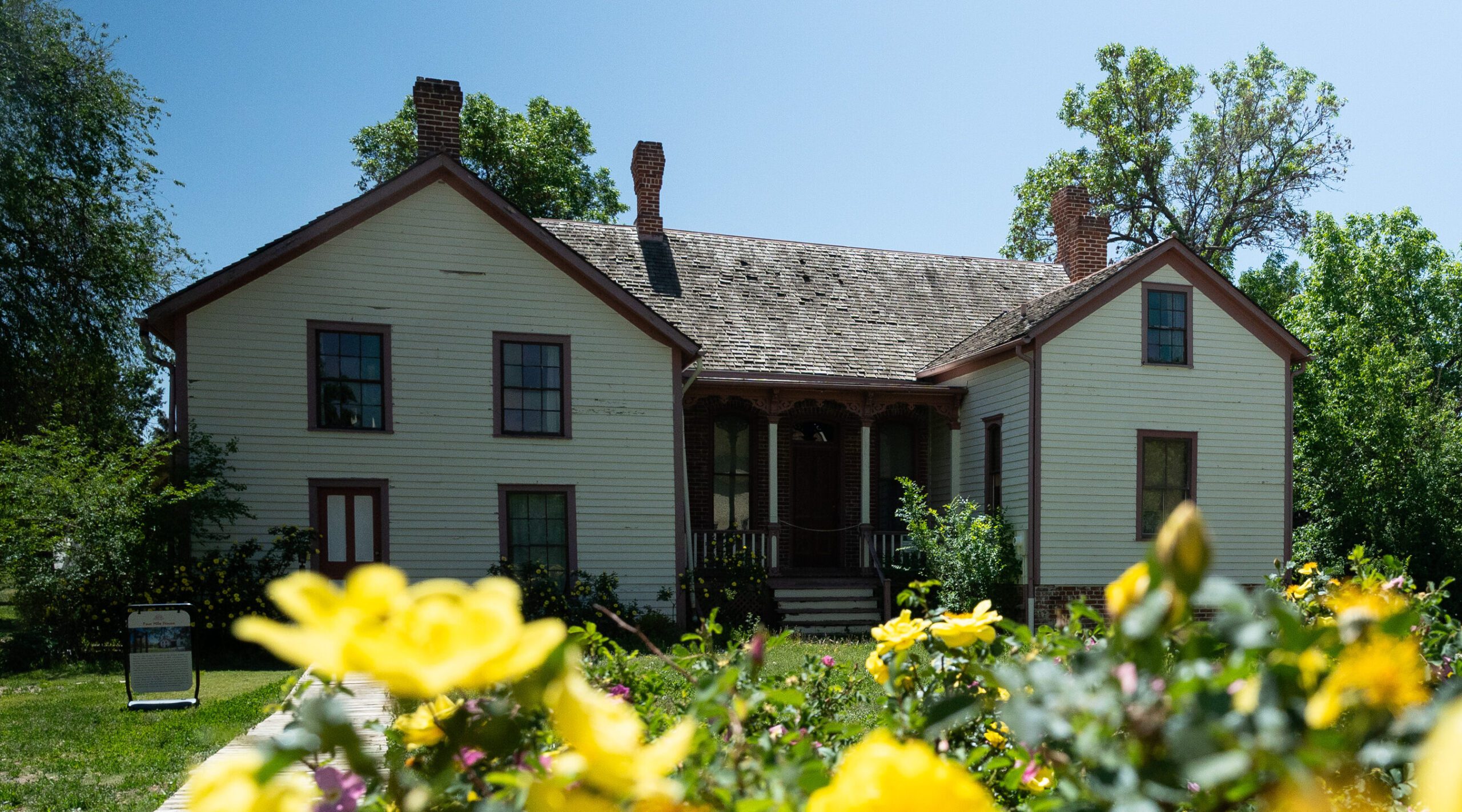
Four Mile Historic Park is a gateway to Denver’s Western heritage, offering a vibrant 12-acre oasis with a working farm and Denver’s oldest standing structure, the Four Mile House Museum. The Museum houses an extensive collection of mid to late 1800s Western artifacts, serving educational, historical, curatorial, and research purposes. Proudly acting as a custodian of cultural treasures, the Museum evolves with contemporary approaches to artifact interaction, aspiring to be an immersive cultural attraction that goes beyond traditional museum settings. Visitors actively participate in a dynamic experience that brings history to life.

Step Back in Time

Four Mile Historic Park stands apart as a historic landmark and refuge from the hustle and bustle of modern life in the city. Take a break to stroll the grounds, have a picnic, and enjoy this stand-alone destination for historic preservation.
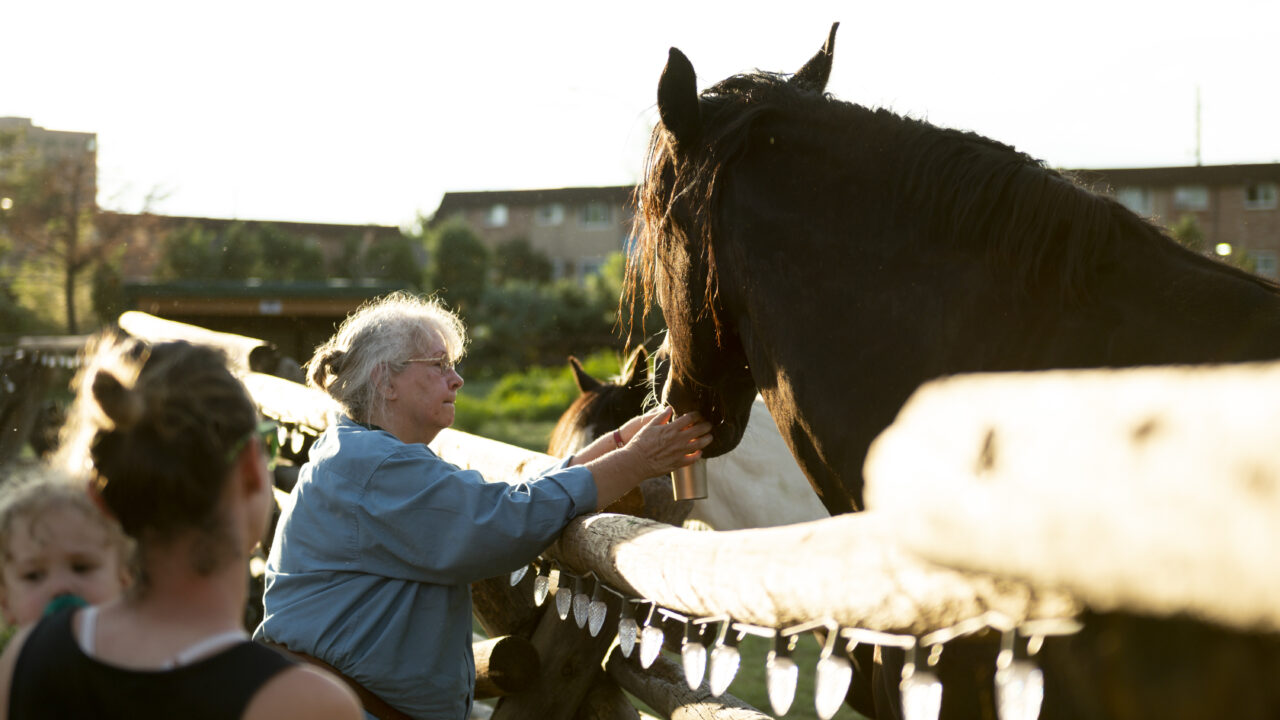
Elderly woman feeding a horse at a wooden fence, with people nearby

Become a Member

Unplug with some old-fashioned fun when you sign up to become a member.
Learn More
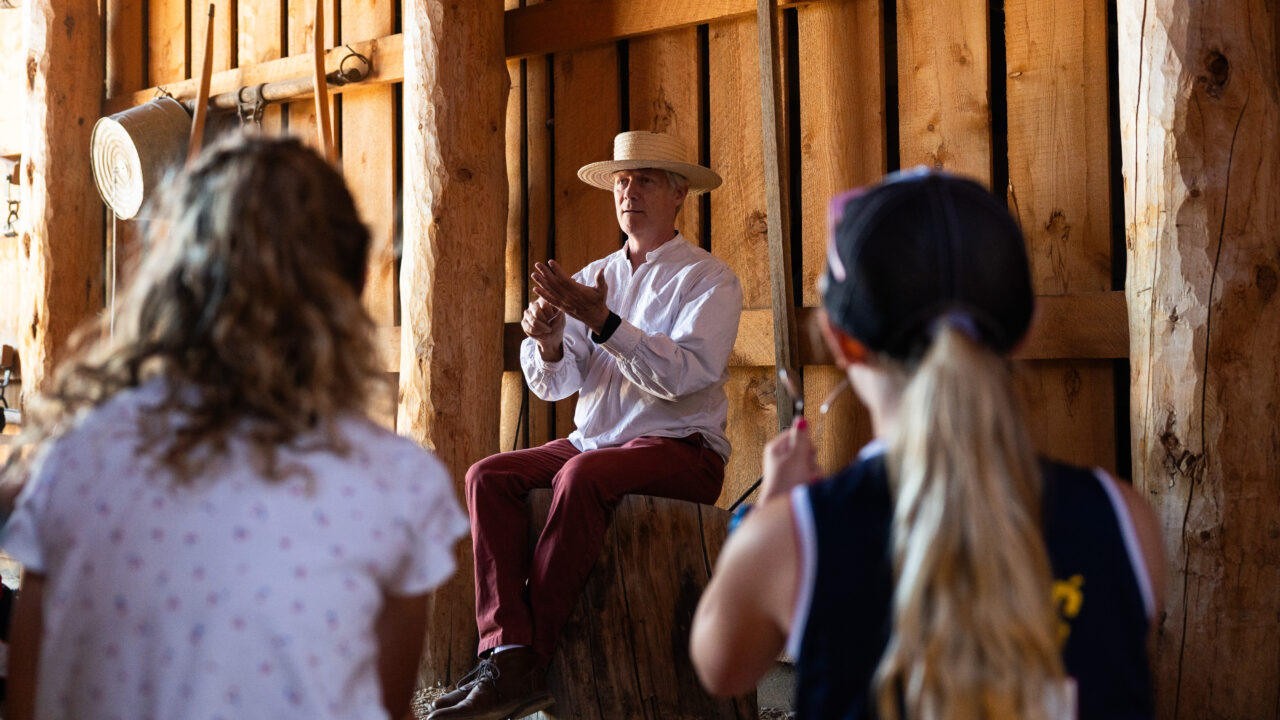
Man in straw hat explaining something to children inside a rustic wooden barn

School Programs

Embrace history through interactive educational programming.

Learn More
Three people wearing cowboy hats smiling at an outdoor event, with a table and covered wagon in the background

Events

Connect with the community during special events.

Learn More

A Brief History of Four Mile

The history of this site stretches back far beyond the 165+ years of the Four Mile House.
Time Immemorial

Time Immemorial to Present

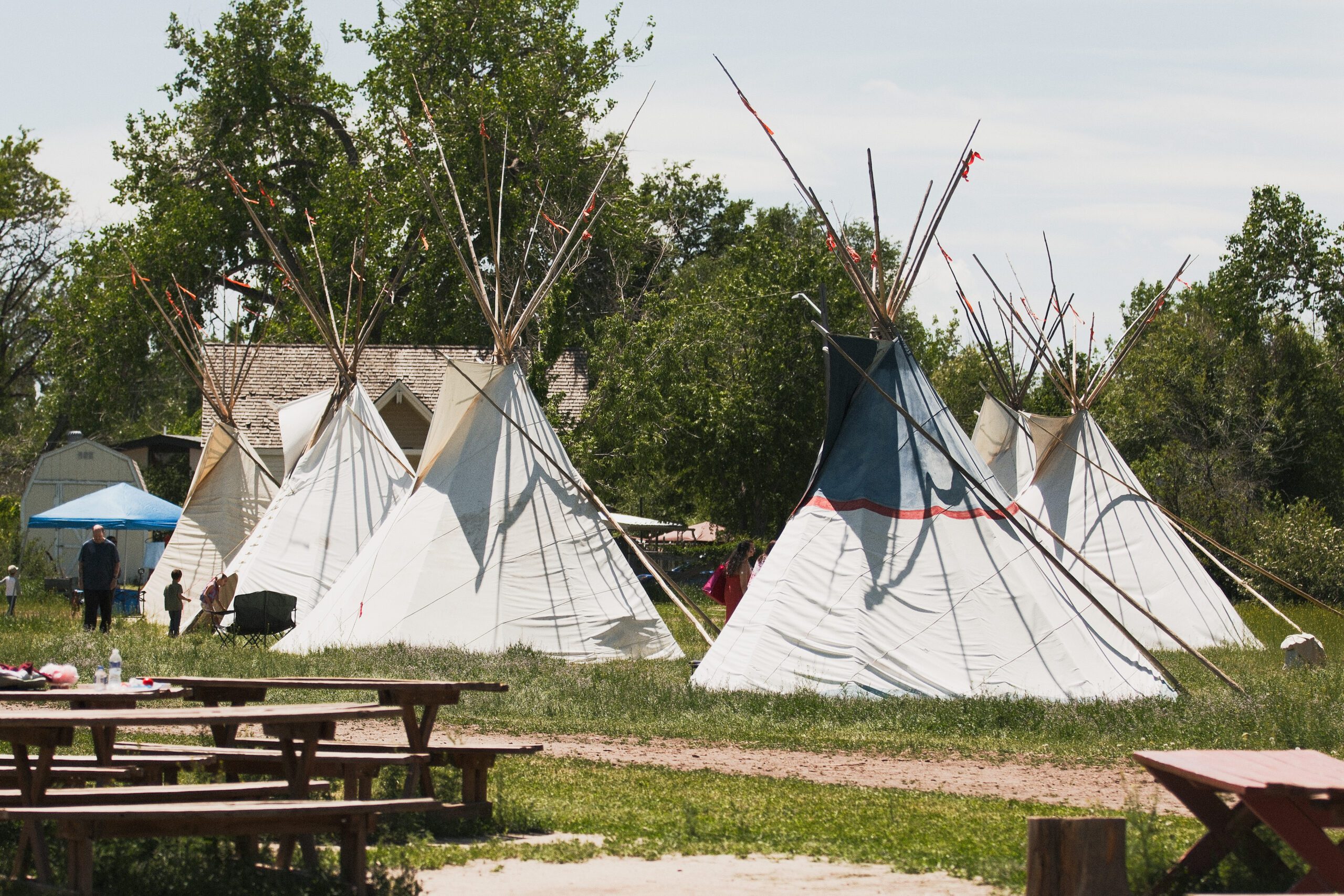
North America has been home to Indigenous peoples since time immemorial. Numerous different people have called this land home over thousands of years. The Arapaho (or Hinono’ei), Cheyenne (or Tsistsistas), and Ute (or Nuche) peoples are some of the most recent traditional residents of the land now called Denver, Colorado.


Teepees set up in a grassy area with people nearby under trees
1849

The Cherokee Trail

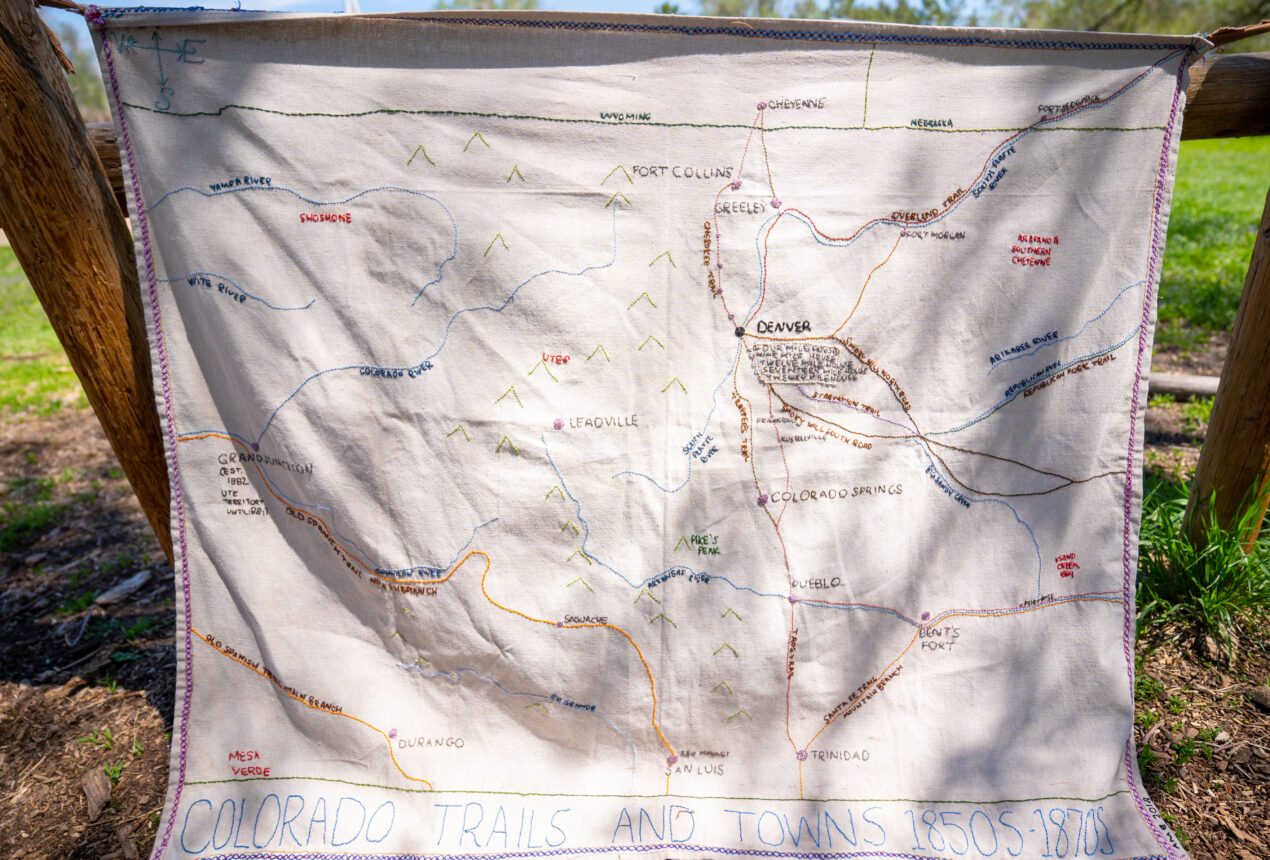
The Cherokee Trail route was established by a wagon train of some Cherokee and some white travellers, all headed out of Oklahoma toward California, following an older trail created by Indigenous peoples. Cherokee peoples have their ancestral homelands in what is now the southeastern United States, but had been forcibly removed to Oklahoma through the Indian Removal Act of 1830.


Embroidered map of Colorado trails and towns, 1850s-1870s, displayed outdoors
1859

Construction

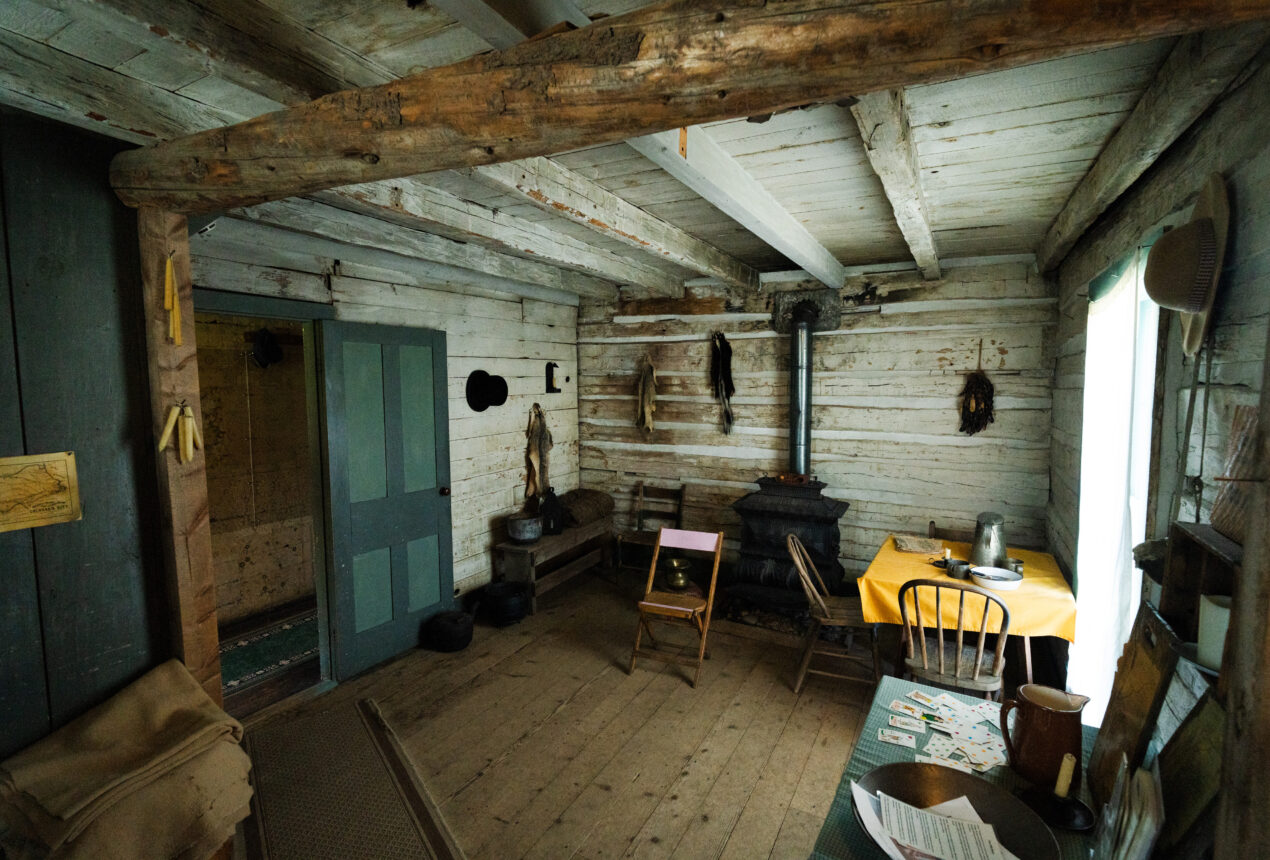
Brothers Samuel and Jonas Brantner built the two-story log cabin that would become the Four Mile House, offering services to travelers along the Cherokee Trail. The house was built in direct violation of the Horse Creek Treaty, which said white colonizers could pass through the region but should not stop to build.


Rustic wooden cabin interior with stove, chairs, and table
1860

The First Purchase

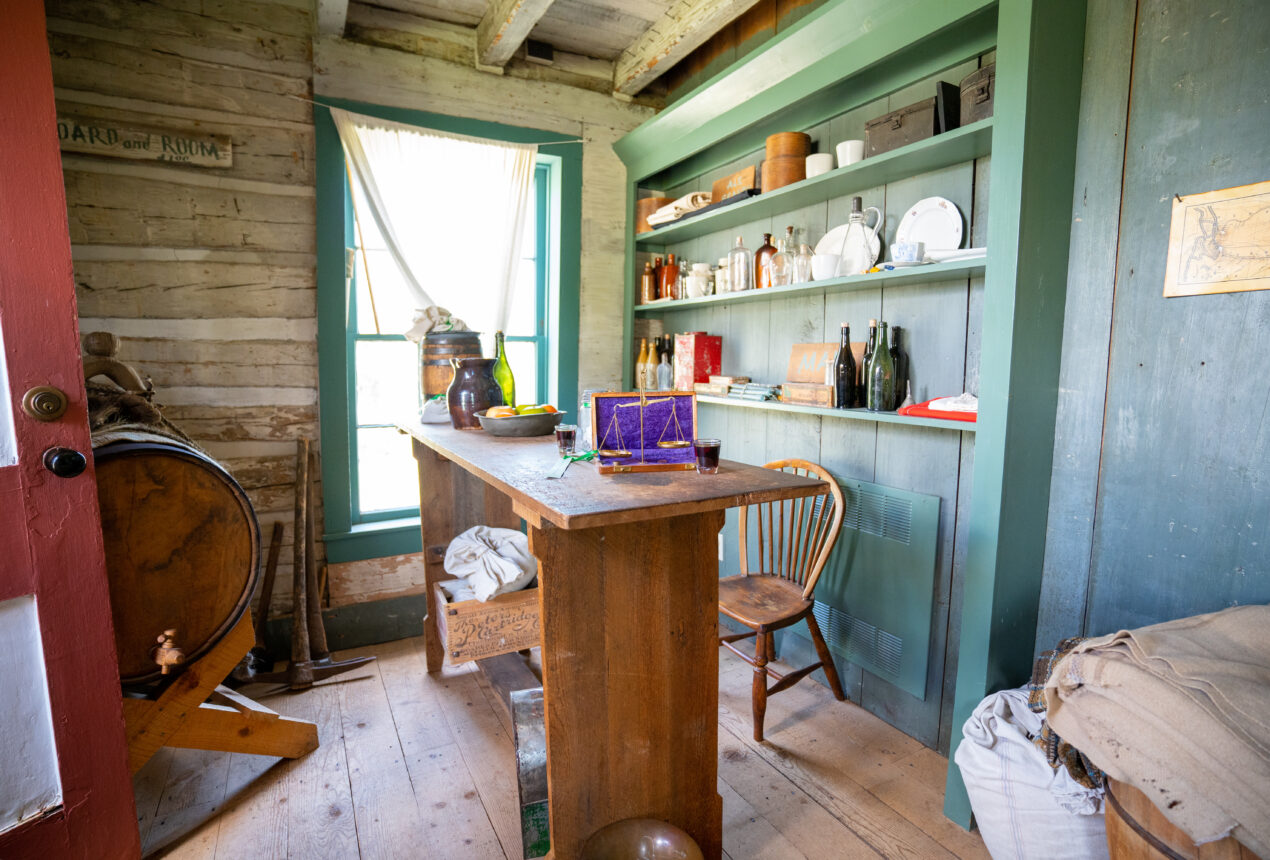
Businesswoman Mary Cawker purchased the Four Mile House from the Brantner Brothers and opened an inn for travelers along the Cherokee Trail. In the 1800s, it was rare for a single woman to own and operate her own business. As a trading post with hot meals served twice a day and dances on the second floor, it becomes a hub for local activity.


Historic rustic room with wooden furniture, shelves of bottles, and a "Board and Room" sign
1862

A Stagecoach Stop

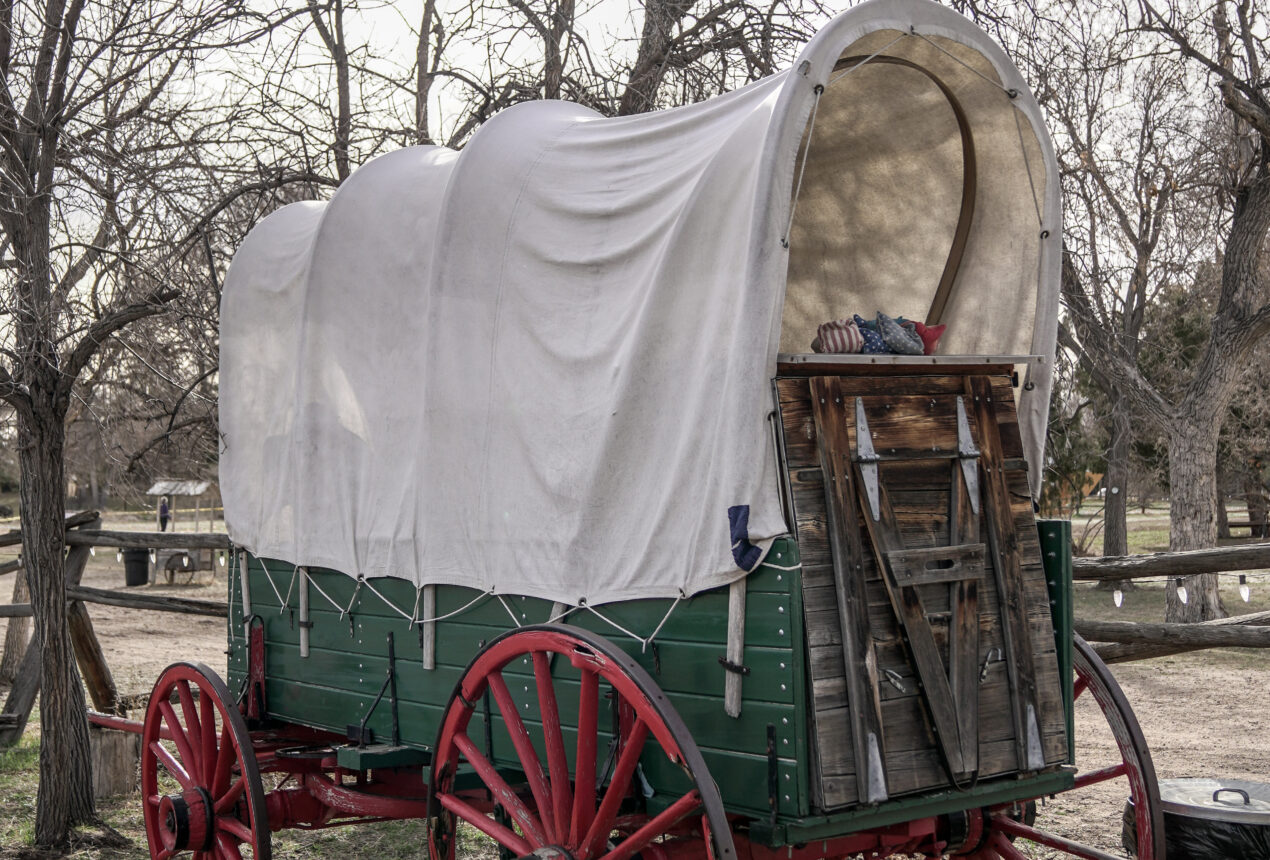
The Butterfield Stage Company began scheduled service along Cherry Creek, and Cawker’s house became the last “mile stop” along the route to Denver. There were originally six different mile houses along Cherry Creek! Only the Four Mile House and the Seventeen Mile House still stand. The Seventeen Mile House Farm Park is open to the public in Centennial, CO.


Covered wagon with red wheels in a wooded outdoor setting
1864

The Floods and the Second Purchase

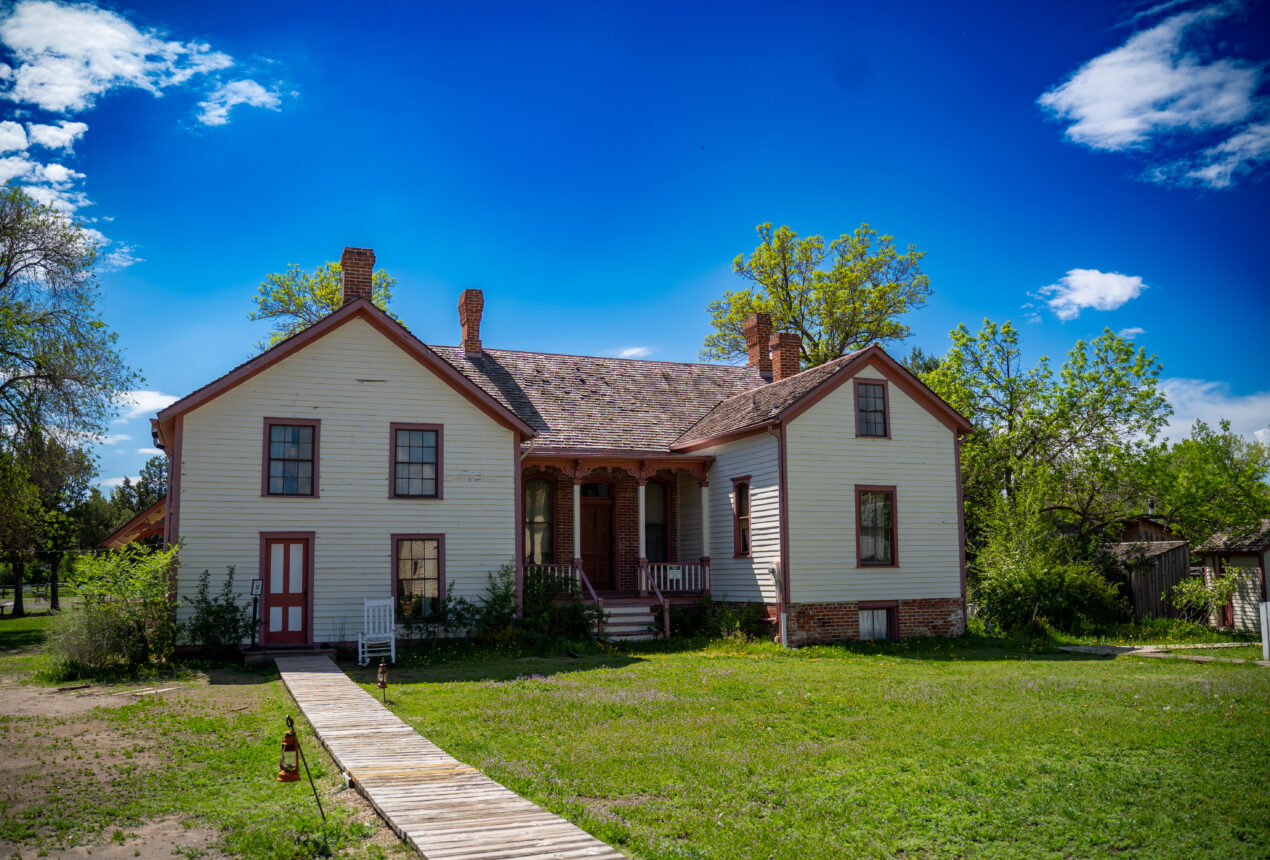
Four days of floods in May inundated farmland around Denver and left the Four Mile House stranded – an island in the floodplains. When the floodwaters receded, Mary Cawker sold the house and the surrounding 100+ acres to Millie and Levi Booth for $800.


Historic white house with red trim, brick chimney, wooden walkway, surrounded by green lawn and trees under a blue sky
1866

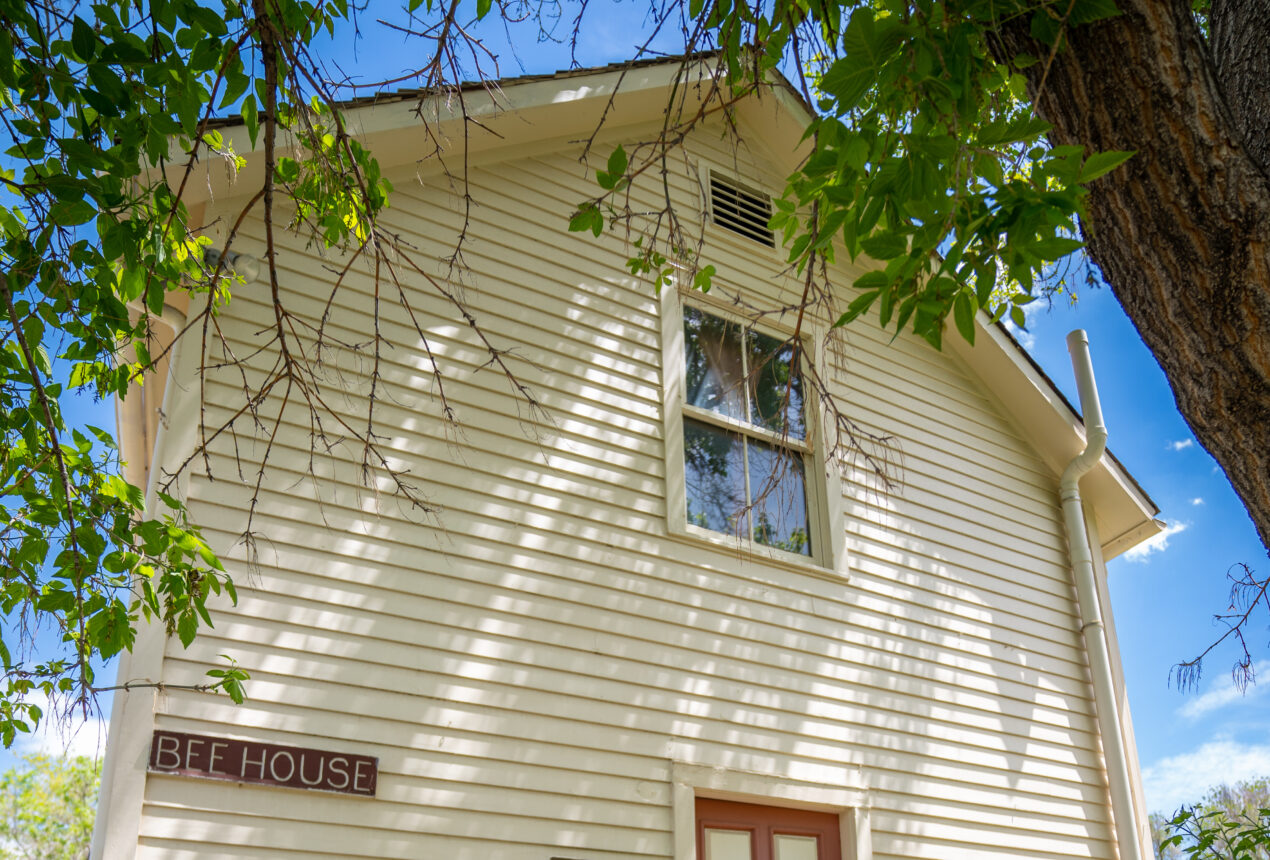
The Bee House

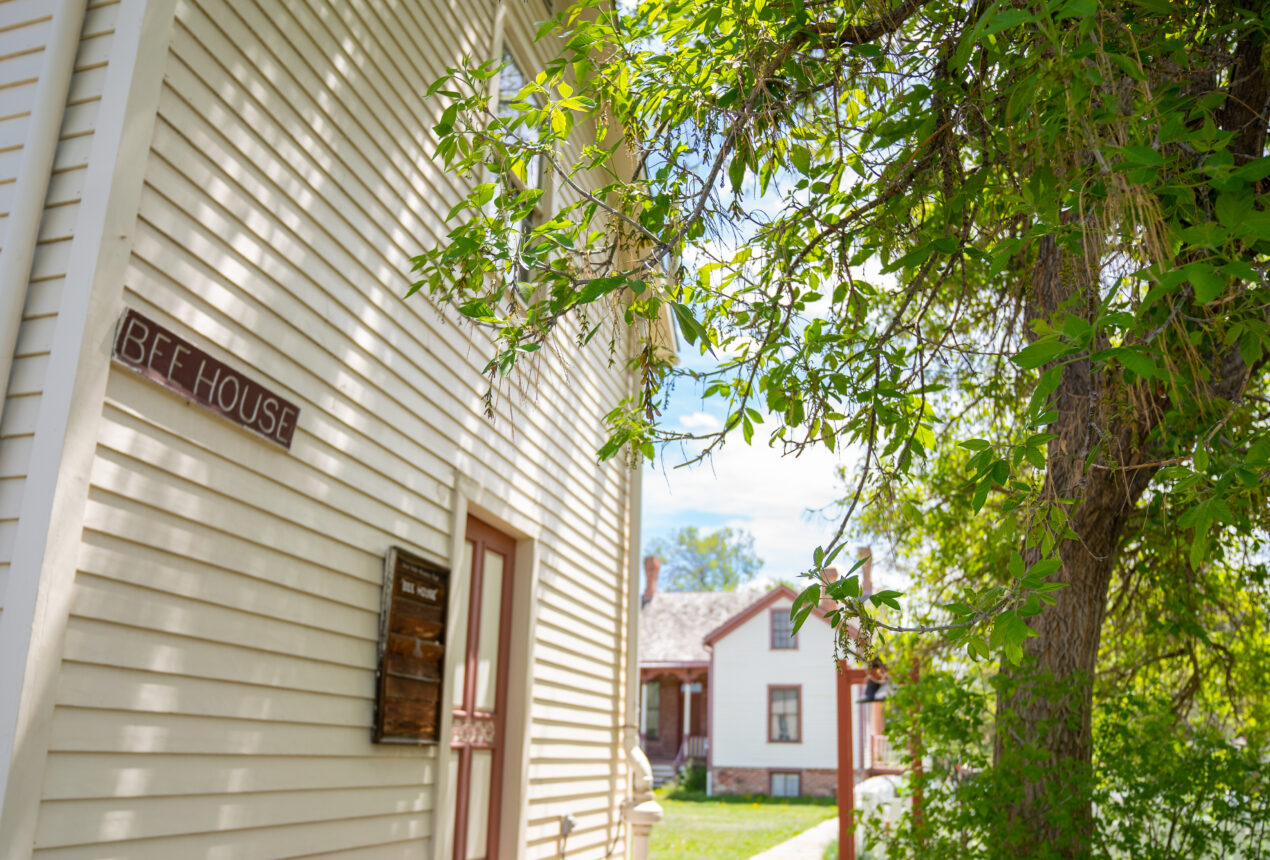
Levi Booth built the Bee House as a dwelling for the family and farmhands. The house was later converted into the center of operations for Millie’s beekeeping enterprise. Today, the Bee House is used as a one-room prairie schoolhouse for children on field trips.


Bee House sign on a cream clapboard building with a tree and distant house in the background
1868

First Attempt Ditch

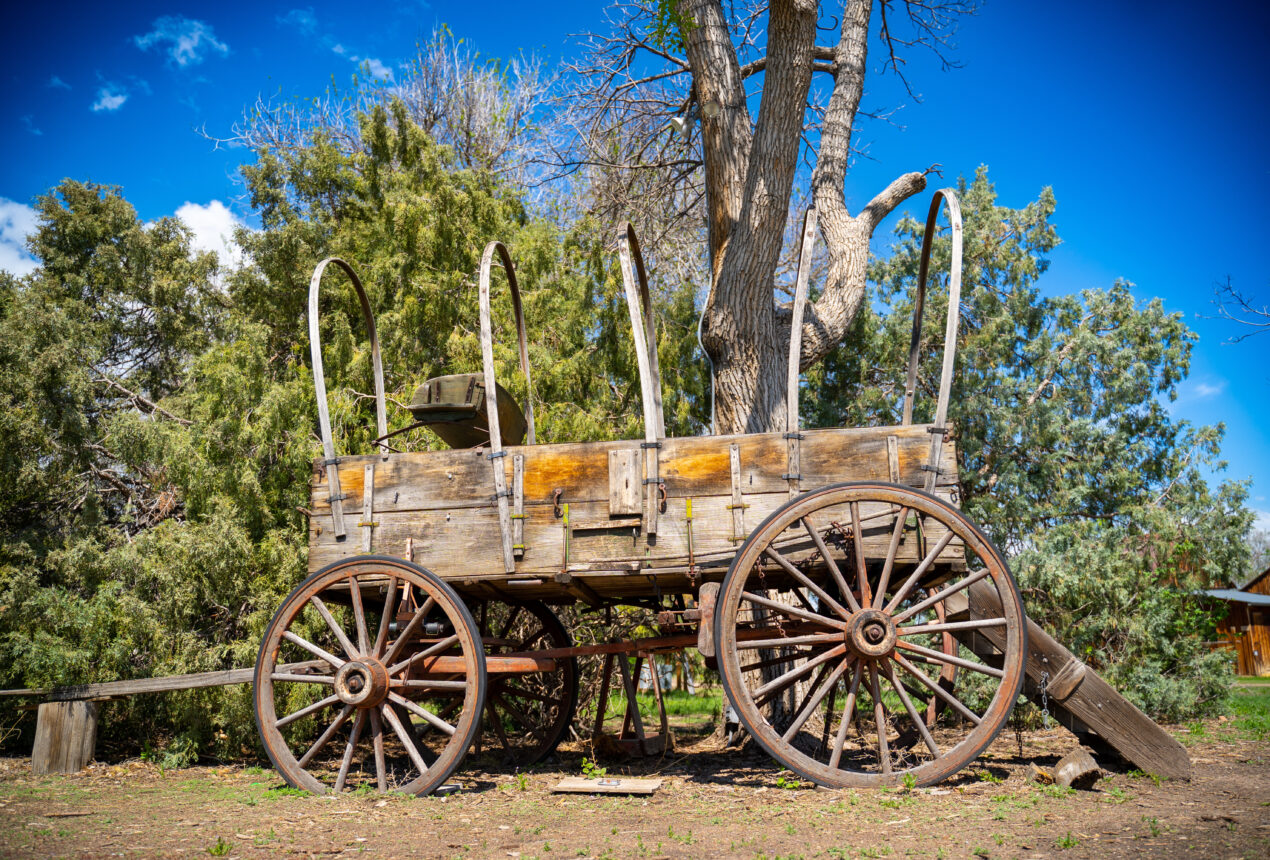
The Booths continued to operate a successful stagecoach stop and prosperous farm. Levi Booth created an irrigation system by digging what he called the First Attempt Ditch from the Cherry Creek.


Old wooden covered wagon surrounded by trees and blue sky
1870

Competition

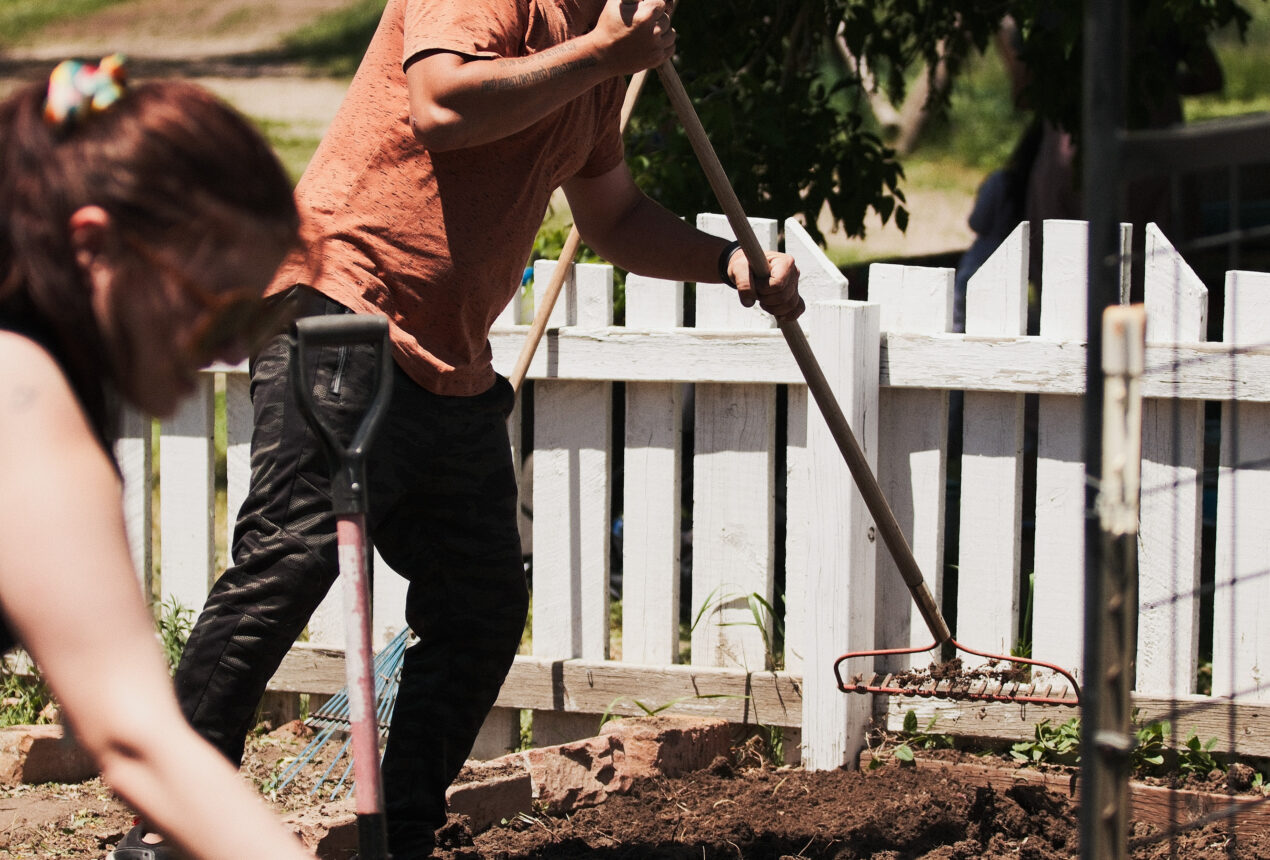
The completion of the first railroad between Denver and Cheyenne, Wyoming, abruptly ended regular stagecoach service along the Cherry Creek route. The Booths were forced to pivot and turn their efforts toward farming.


Man raking soil near white fence, woman digging with shovel
1872

Success Ditch

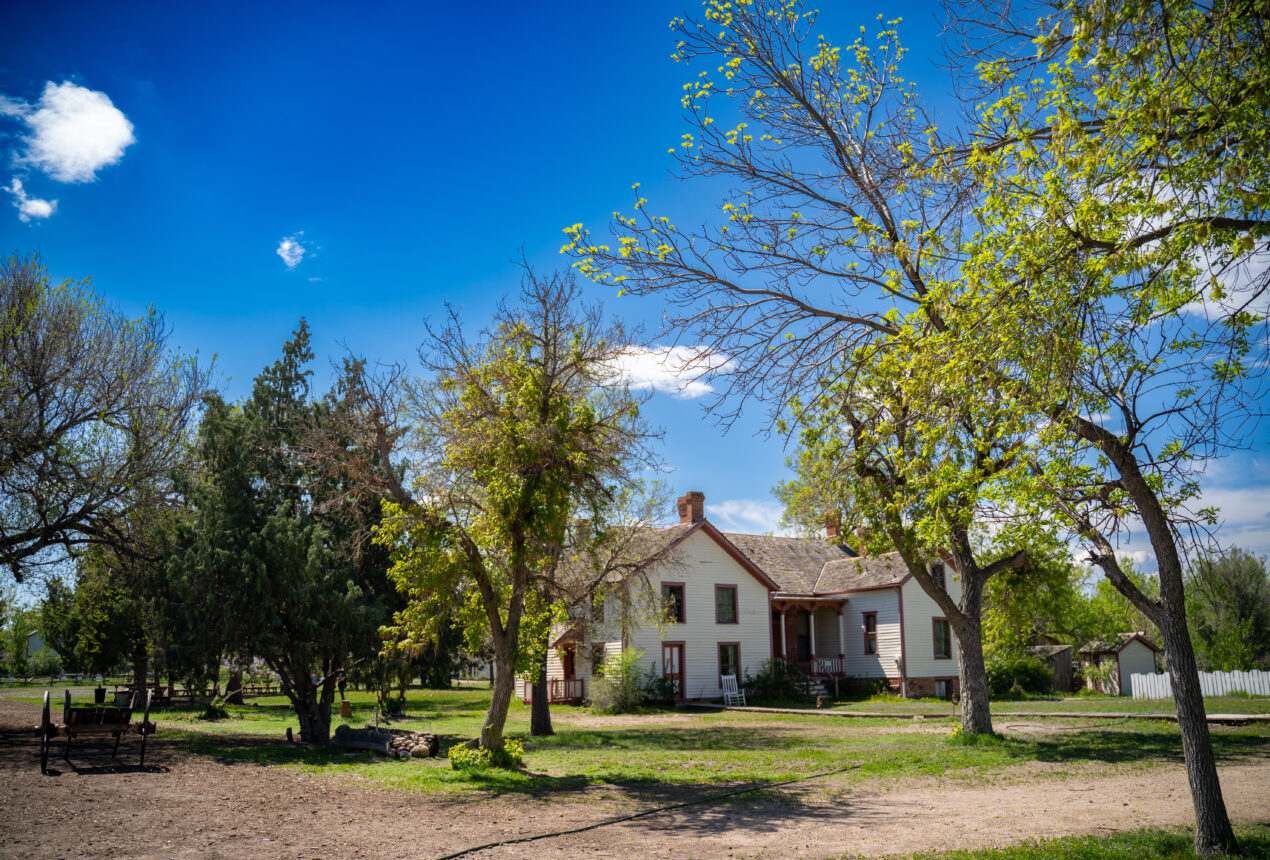
Levi Booth expanded his irrigation system with the Success Ditch, which became the farm’s main water supply and provided enough irrigation to plant an apple orchard.


Historic house at Four Mile Park surrounded by trees
1883

An Addition

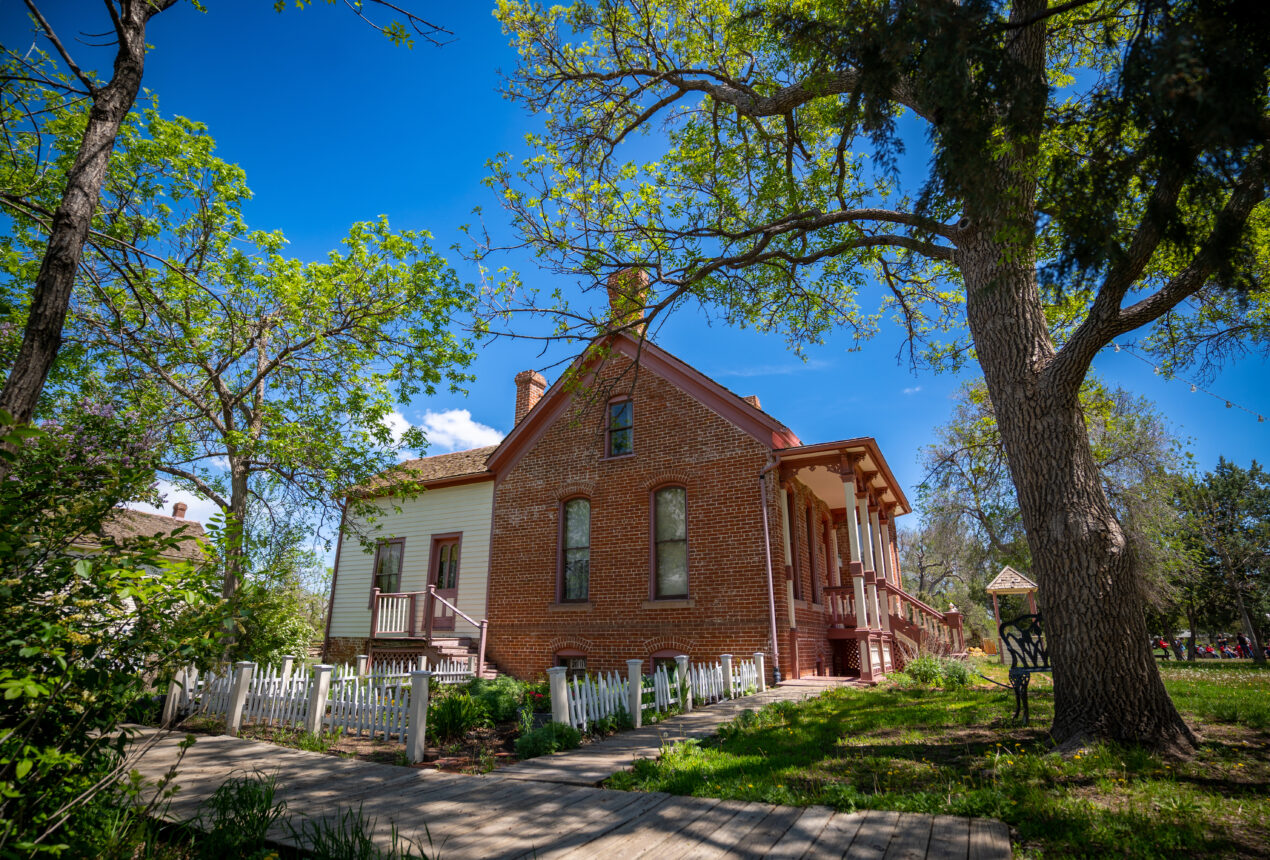
The Booths built a fashionable brick addition to the original clapboard-sided log cabin that had served as the core of their home. Over time, they acquired more than 600 acres.


Historic park house with brick and wood siding, surrounded by lush greenery and bright blue sky
1912-1926

Remembering the Booths

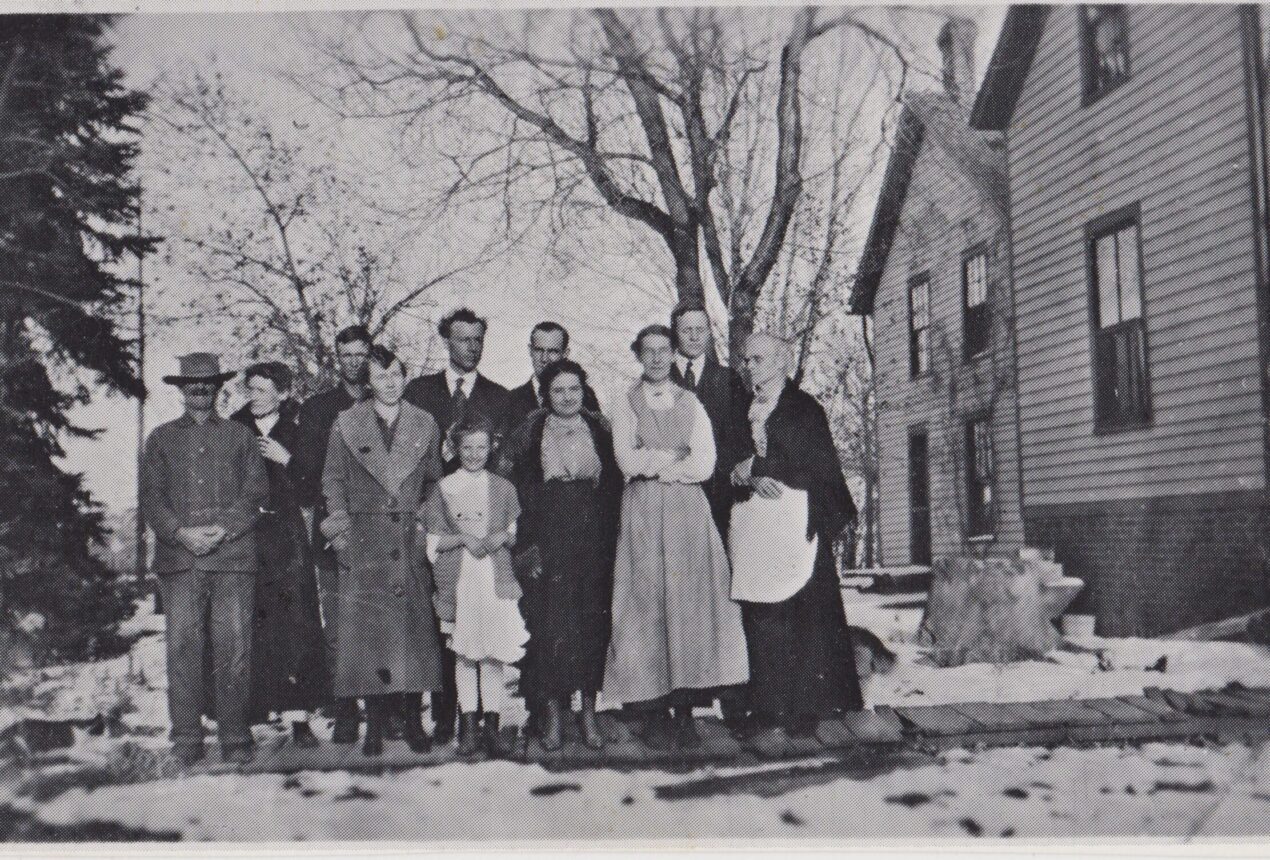
In 1912, Levi Booth (1829-1912) passed away at the Four Mile House. Millie Booth assumed ownership of the house. In 1926, Millie Booth (c. 1837-1926) passed away, leaving her considerable estate of 400 acres, water rights, and cultivated farmland to her daughter and son-in-law, Grace and Daniel Working.
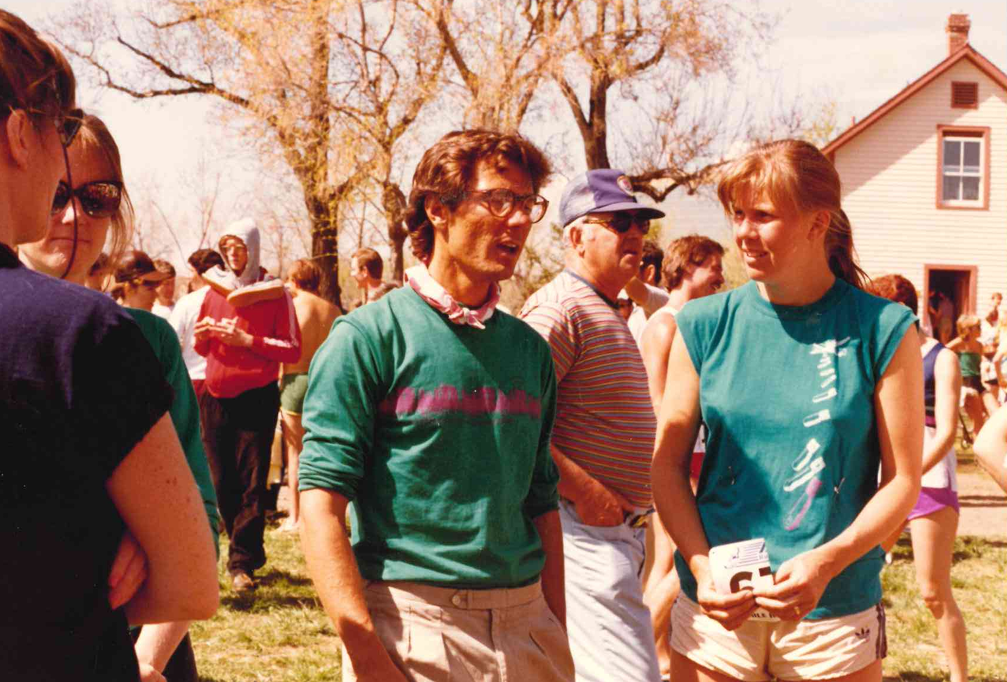
 

Early 1900s family posed outside a house in winter setting
1934

Historic American Building Survey

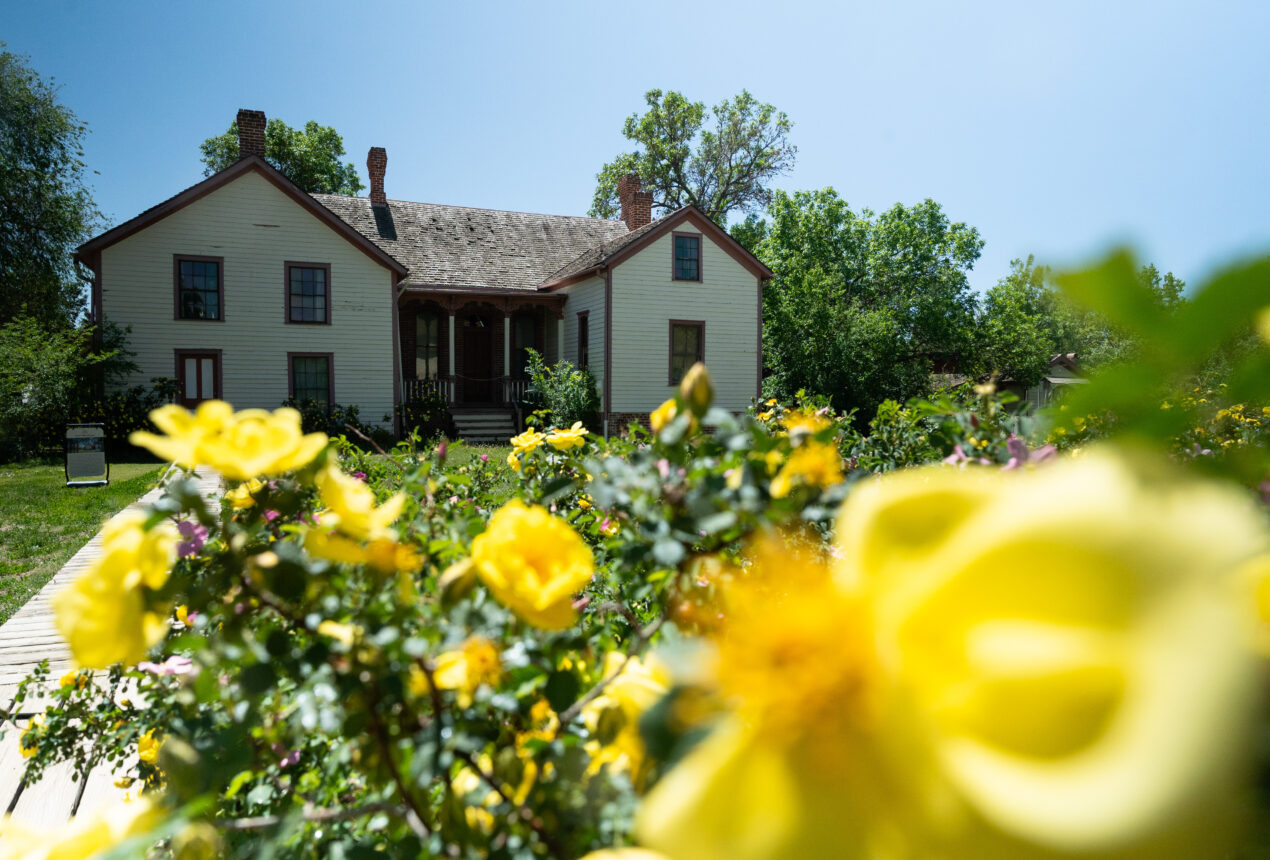
The Four Mile House and other significant structures on the site, including the Bee House, were recorded in the Historic American Buildings Survey.


Historic house with yellow rose garden in foreground
1939

A Fire

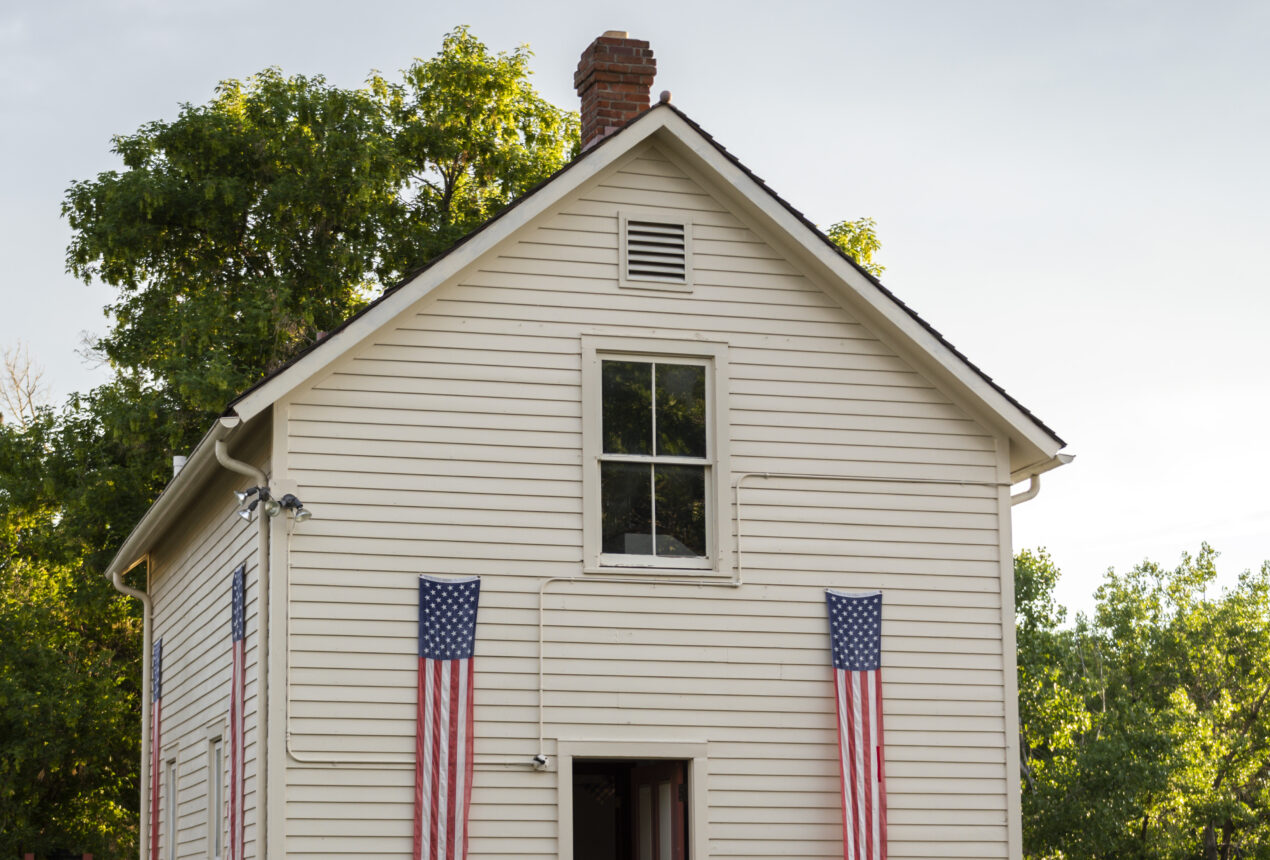
The original structure of the Bee House, a testament to the strength and persistence of female entrepreneurs, was destroyed in a fire.


White house with American flags, surrounded by green trees
1941

A Historical Monument

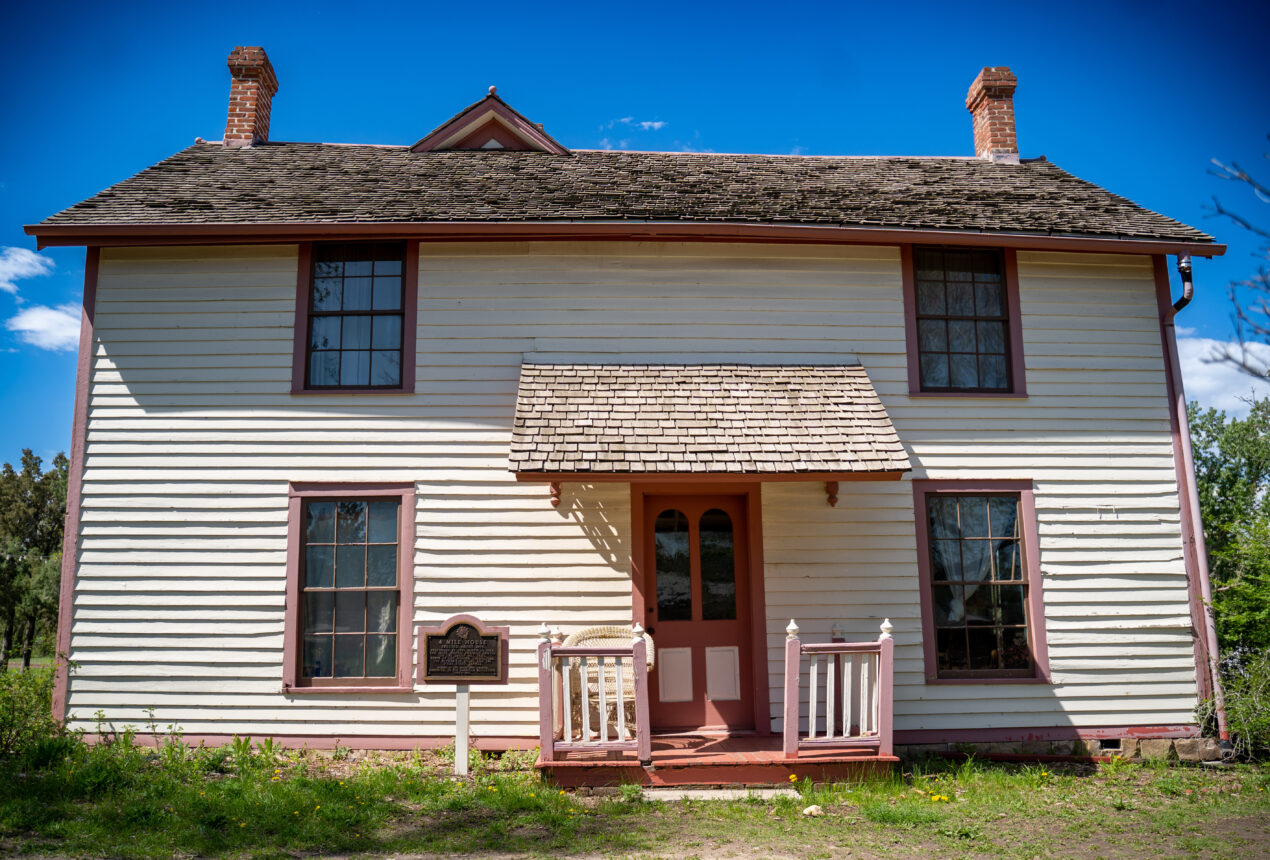
Four Mile House received Historical Monument Designation from The Daughters of the American Revolution Peace Pipe Chapter, now named the Ellis Meredith Chapter.

Historic two-story house with wooden siding, red trim, and a plaque near the entrance in a park setting
1946

The Third Purchase

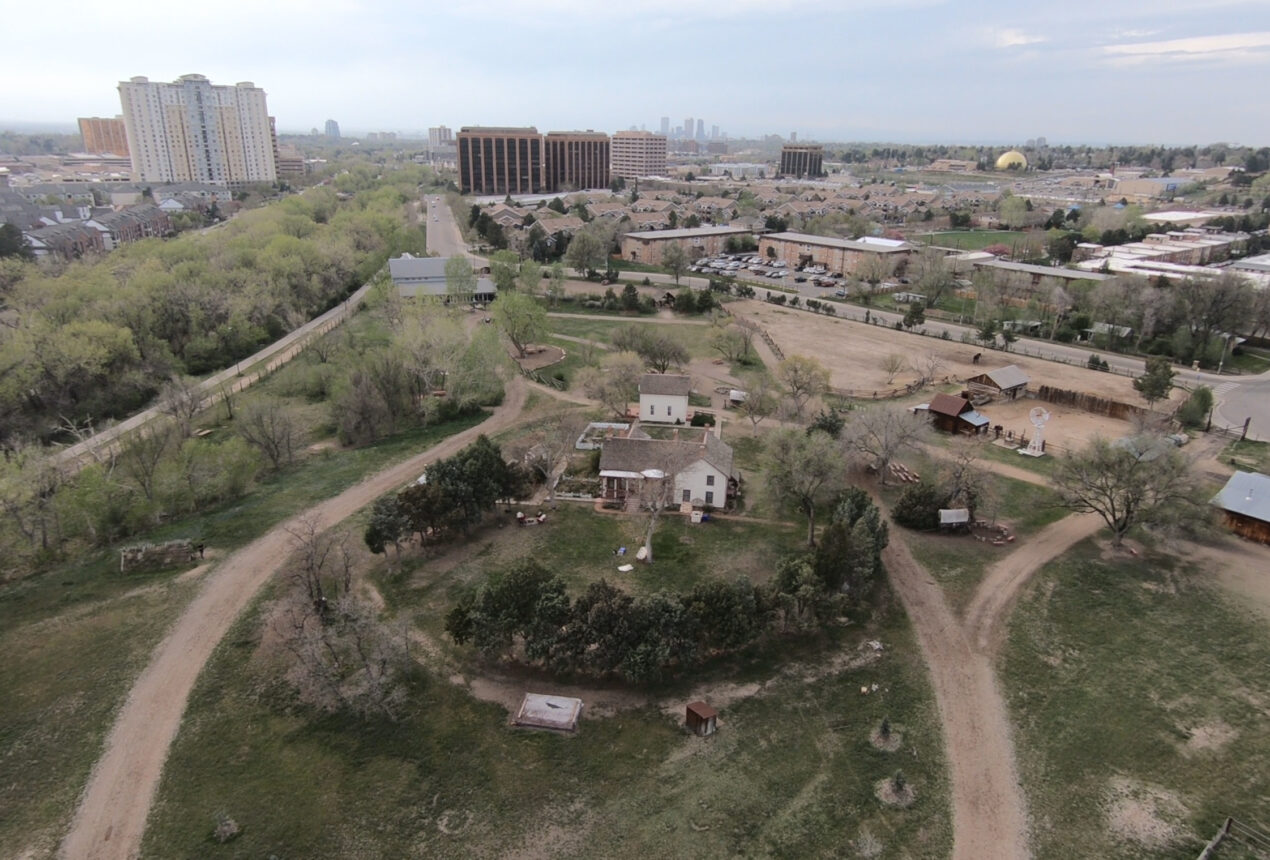
Two years after Grace Booth Working’s husband, Daniel, passed away, Grace sold the Four Mile House and some surrounding land to Glen and Pearl Boulton, who lived in the house until 1963. During these two decades, the property, which had been on the outskirts of Denver, “was surrounded by development as Denver spread southeast and Glendale became an enclave of businesses and bars.”


Aerial view of a rural area with houses, trees, and dirt paths, set against a backdrop of urban buildings in the distance
1968

Landmark Status

Four Mile House was designated as a Denver Landmark on December 27th.


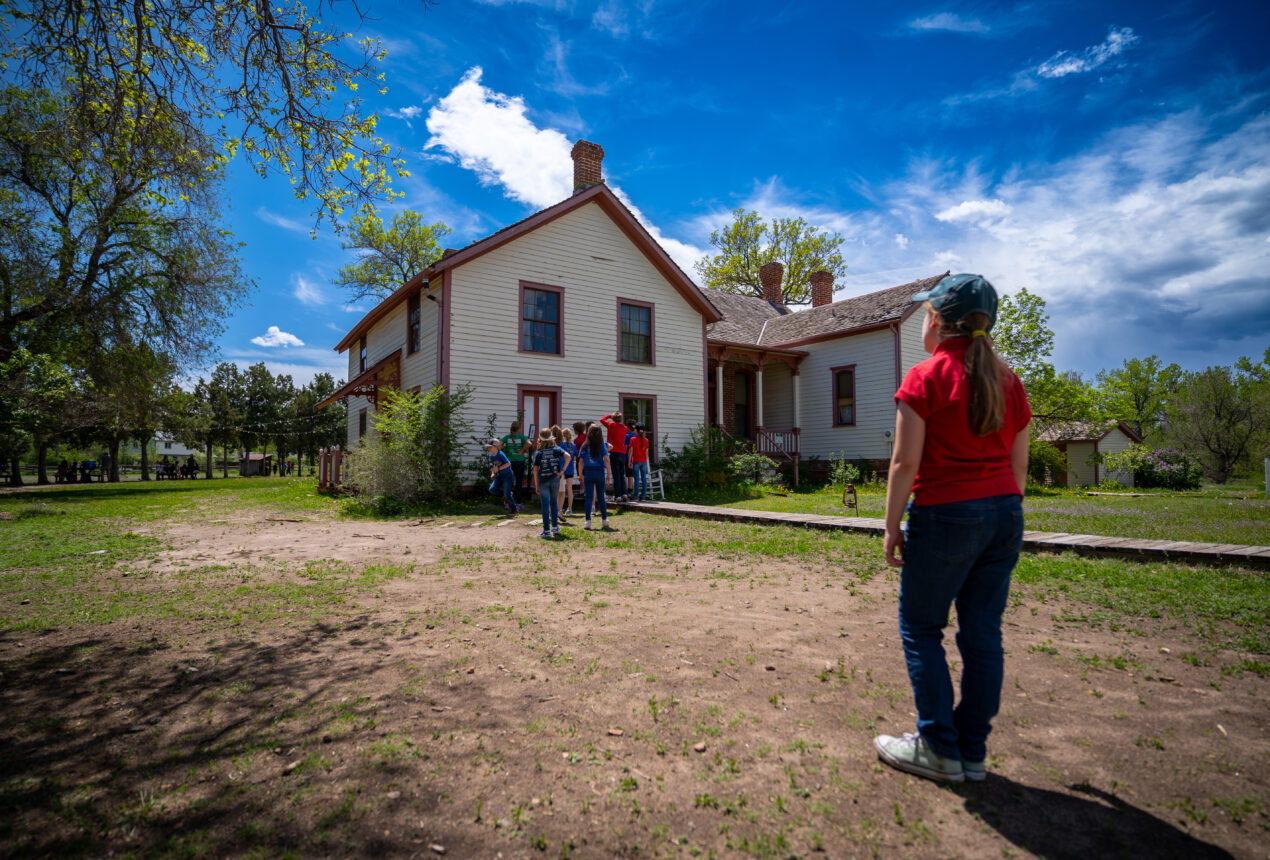
Group standing outside historical house under bright blue sky
1969

A Registered Historic Place

The Four Mile House was listed on the National Register of Historic Places on December 3rd, among the first five properties chosen in the Denver area.


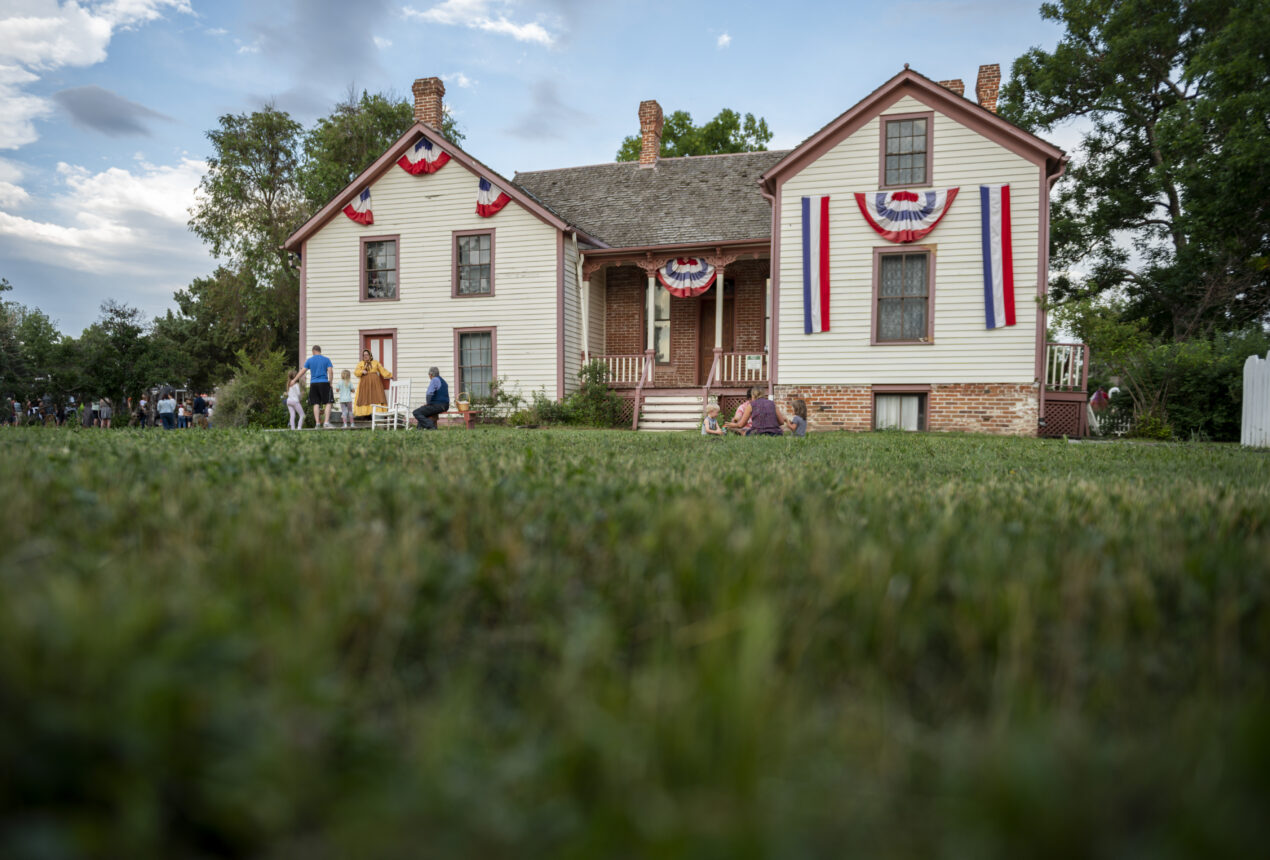
Historic house with red, white, and blue bunting; people gathered on porch and lawn
1975

Acquisition by the City of Denver

The City and County of Denver acquired the Four Mile House and the surrounding property. Preservation efforts began.


People conversing outdoors during a sunny event, with a house in the background
1976

Rediscovery

Archaeological investigations began and revealed the foundations of several lost buildings, including the Bee House, which burned down nearly 40 years prior.


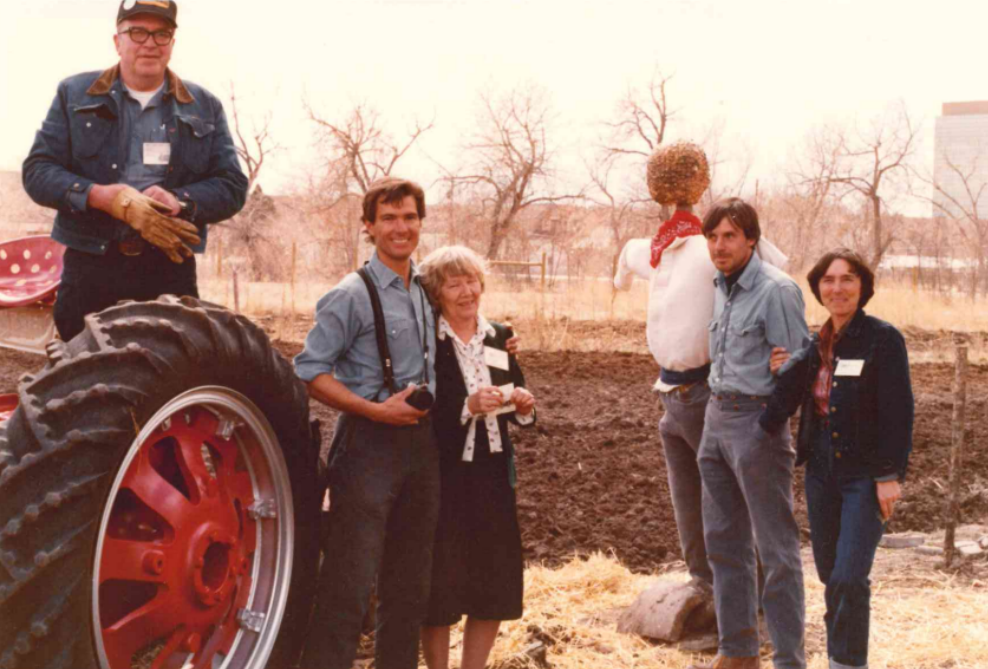
Group of people standing near a tractor and scarecrow in a rural setting
1977

Nonprofit Established

The nonprofit Four Mile Historic Park Inc. was formed to care for the property and develop the museum.


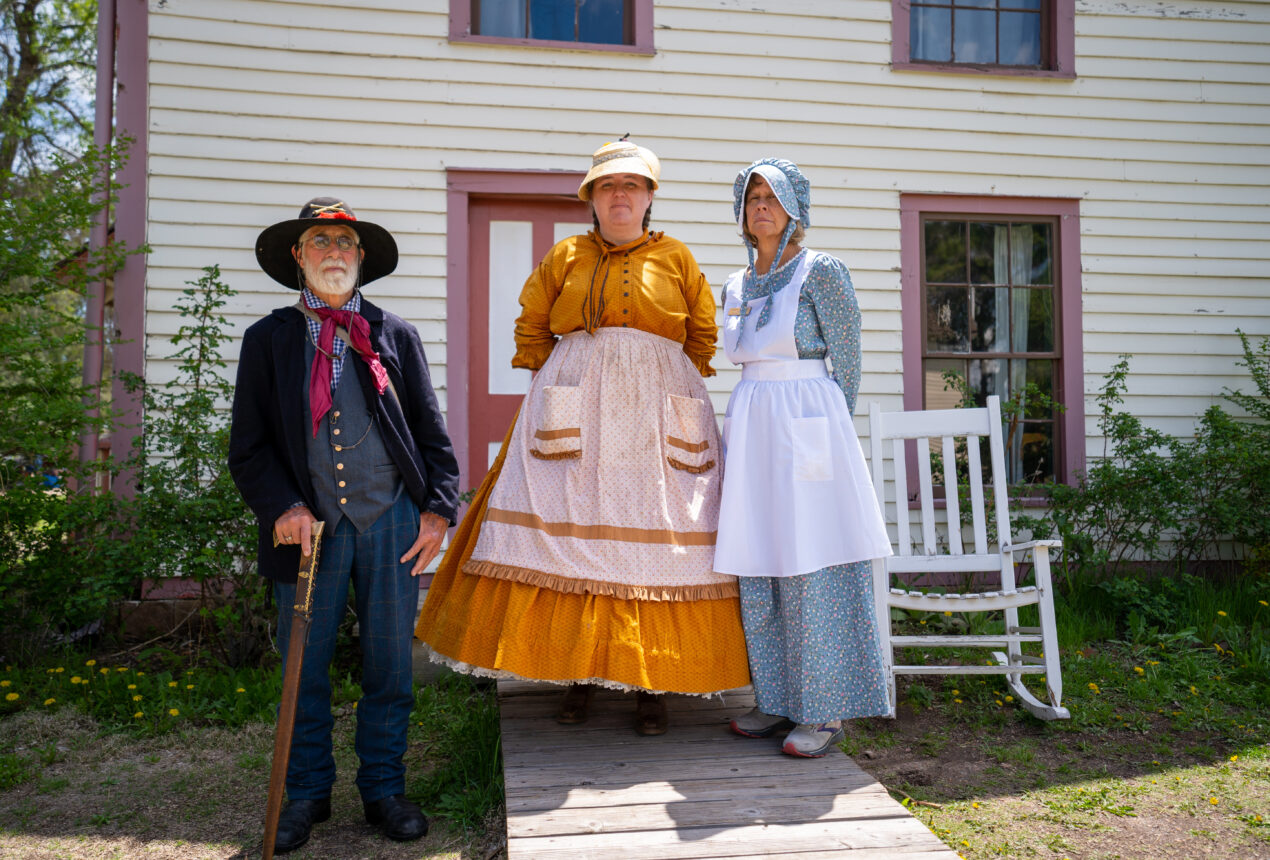
Three people wearing historical costumes in front of a white wooden house
1978

Dedication

Four Mile Historic Park was dedicated to the citizens of Denver as a public park, and the museum opened.


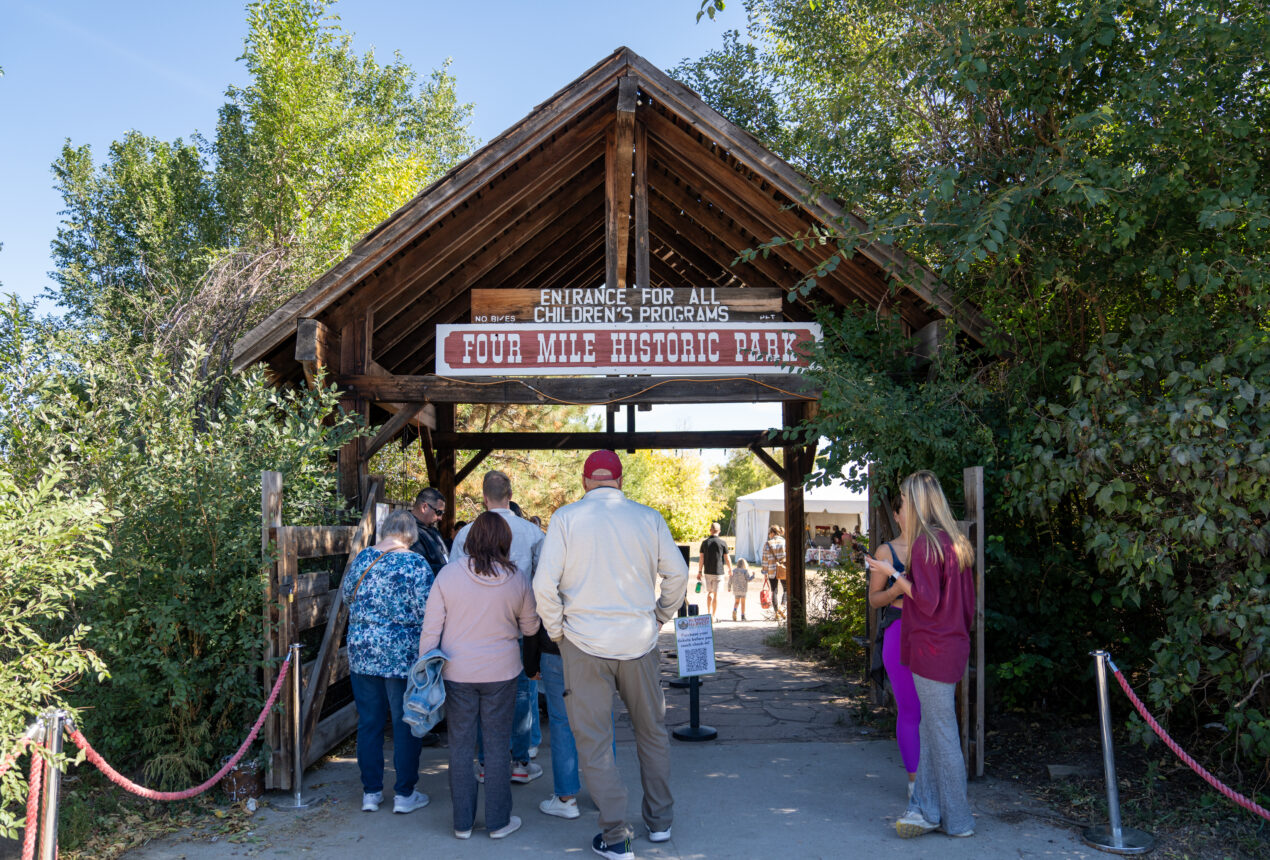
People entering Four Mile Historic Park, sign reads "Entrance for all children's programs."
1980

Reconstruction of the Bee House

Architect Edward D. White Jr. reconstructed the Bee House based on family photos and archaeological evidence collected from the site.


Bee House with beige siding, window, surrounded by tree branches
1983

Mayoral Recognition

Denver’s Mayor Federico Peña signed a citation recognizing the Founding Members of Denver’s Four Mile Historic Park for “their vision and foresight that preserved this unique place in the history and development of Denver.”


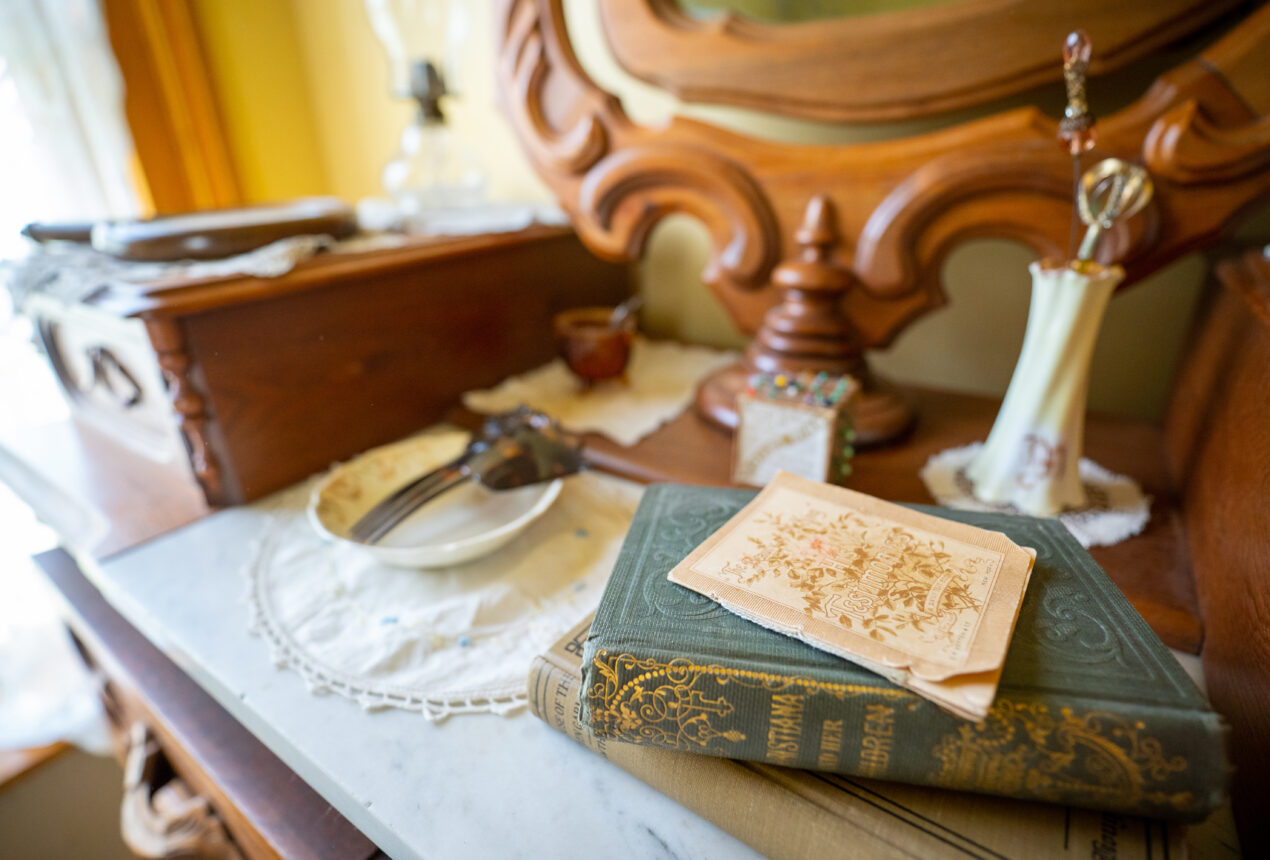
Antique dresser with mirror, book, paper, and decorative items, conveying a vintage ambiance
2001

Award-winning History

The Colorado Historical Society awarded Four Mile Historic Park the Josephine H Miles History Award for the advancement of Colorado history. The same year, Four Mile received an award for merit for outstanding community contributions from the El Pomar Foundation.


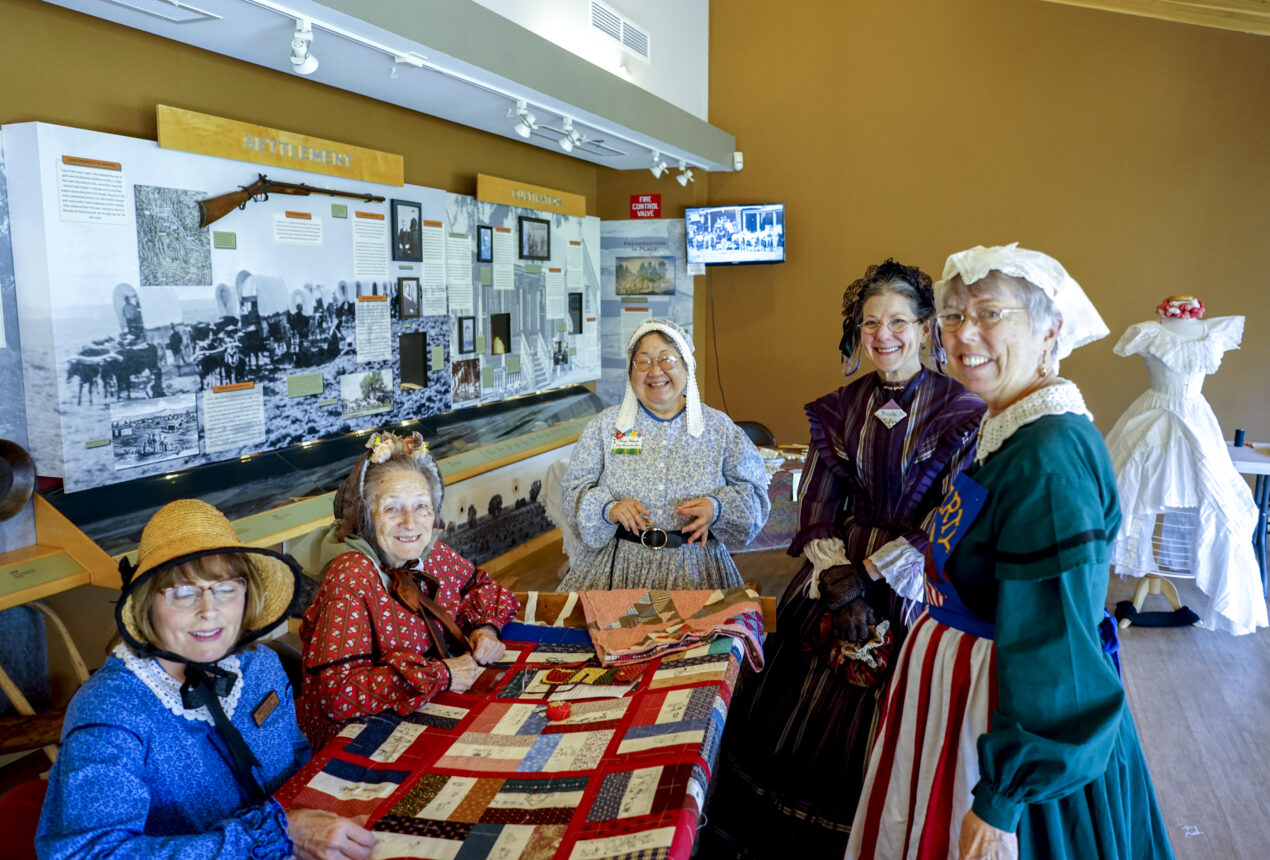
Women in historical clothing smiling around a colorful quilt in a museum exhibit on settlement
2003

Award for Outstanding Achievements

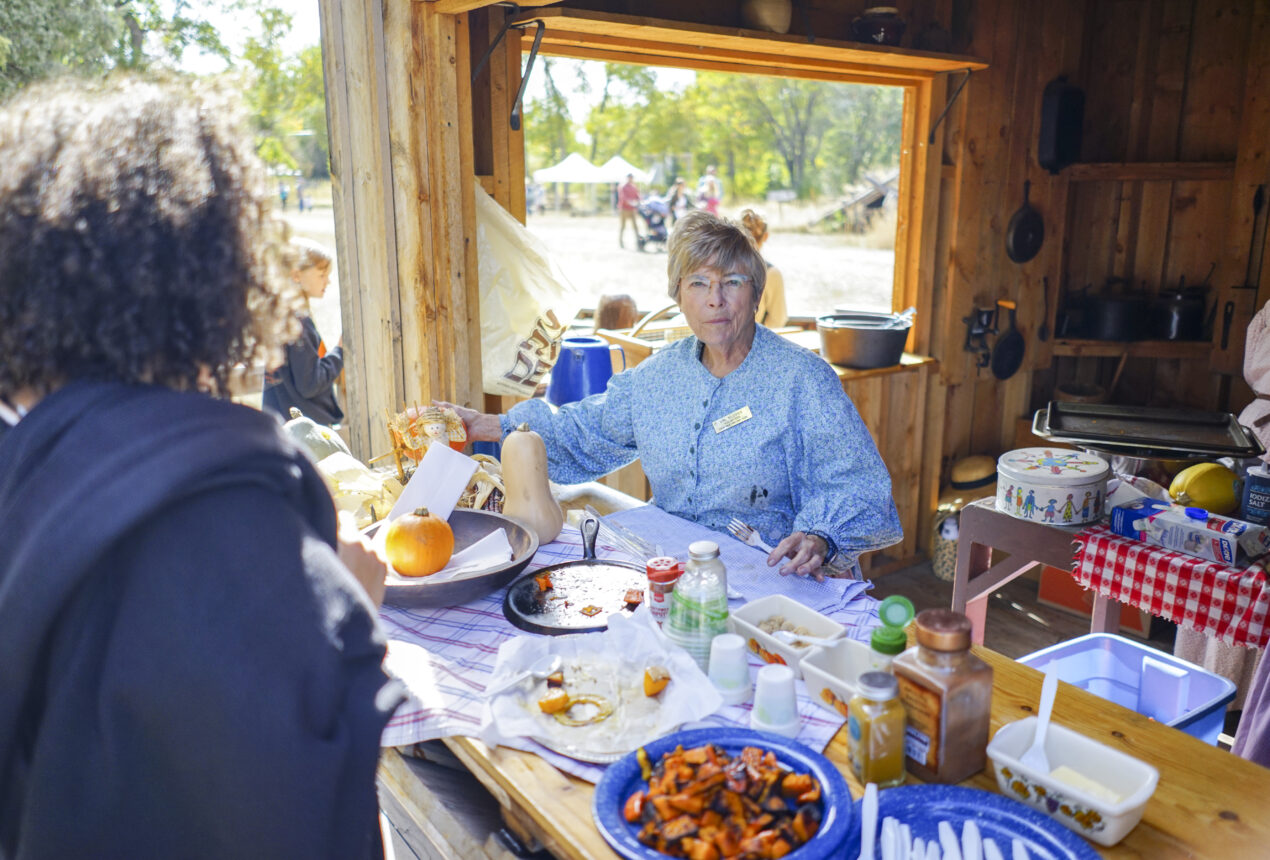
Four Mile Historic Park received the Fred A Rosenstock Award for outstanding achievements in and contributions to Rocky Mountain history from the Denver Posse of Westerners.


Older woman in a blue dress serving food at a rustic outdoor food stand
2007

More Mayoral Accolades

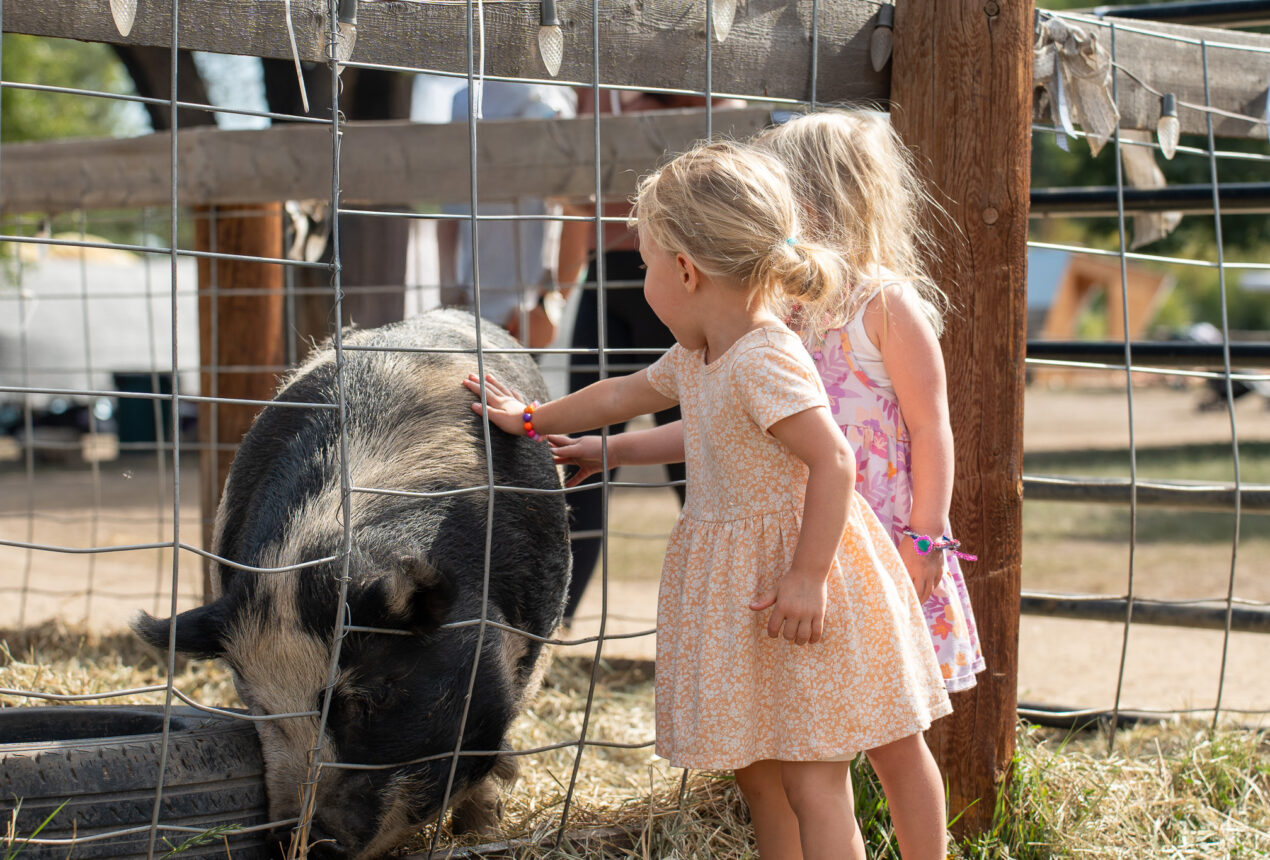
Mayor John Hickenlooper declared Four Mile Historic Park one of 12 partners in the Five By Five Program, providing Denver Head Start and Early Head Start children and their families with year-round access and educational opportunities at no cost.


Two young children petting a pig through a fence, summer day
2008

Denver Story Trek

Four Mile Historic Park became a Denver Story Trek partner in collaboration with Historic Denver’s Molly Brown House Museum, Kirkland Museum of Fine & Decorative Art, Black American West Museum & Heritage Center, and Byers-Evans House Museum – bringing unity to Denver art and culture organizations through history.


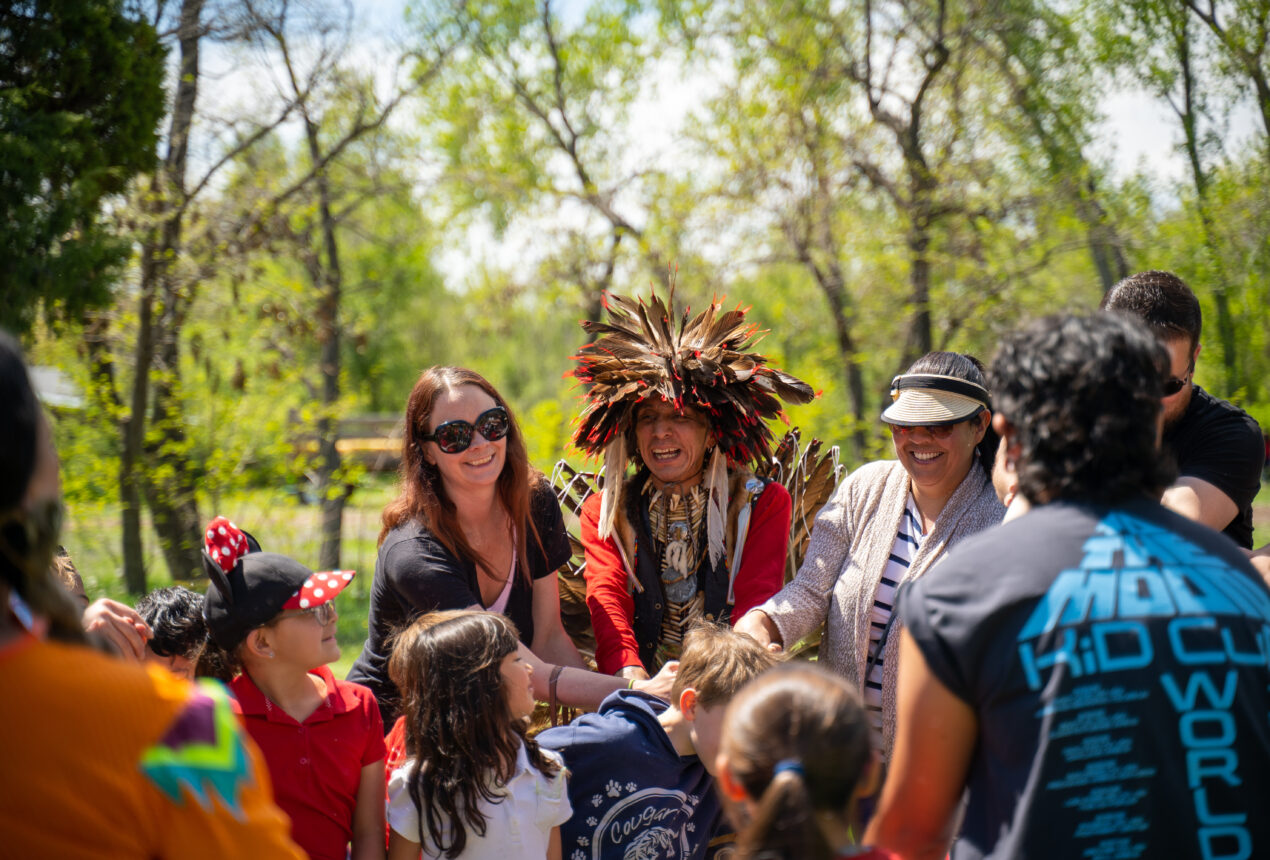
A group at Four Mile Park encircles a person in a feathered headdress, smiling and engaging together in an outdoor setting
2016

Nonprofit Accomplishment

The Park received the Greater Glendale Chamber of Commerce Nonprofit of the Year Award for 2015.


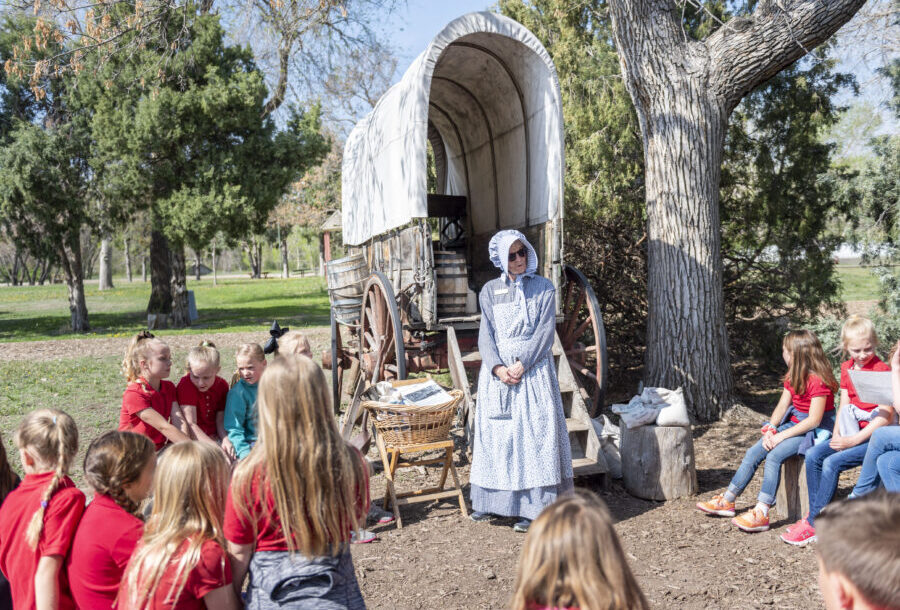
Person in prairie dress stands by a covered wagon, speaking to children sitting in a circle outdoors
2019

Rendezvous Gala Recognizes the Wooleys

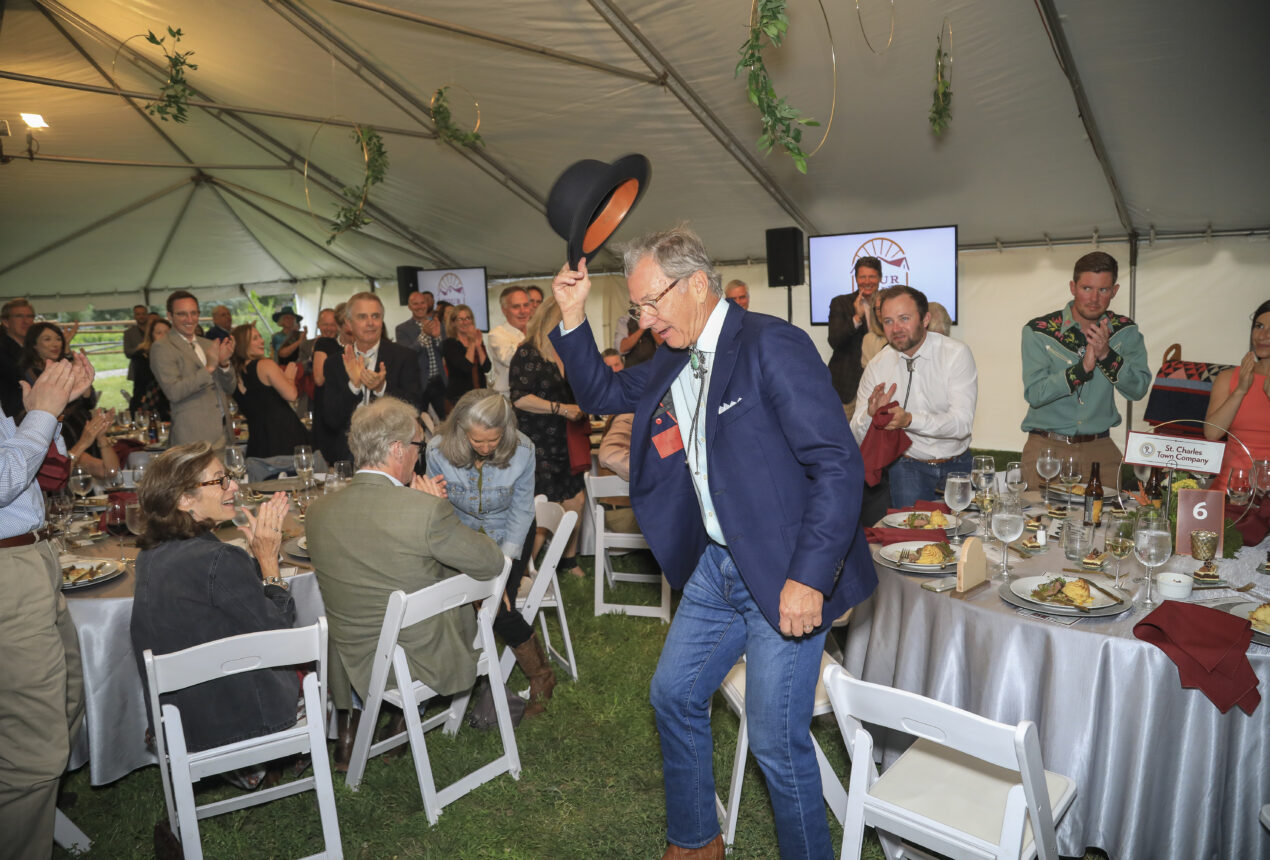
The Four Mile House celebrated 160 years. Four Mile Historic Park honored the first Executive Director and Education Director, Charlie & Karin Woolley, at the annual Rendezvous Gala.


Man in blue jacket tips hat amid applause under a tent

Discover Four Mile Historic Park
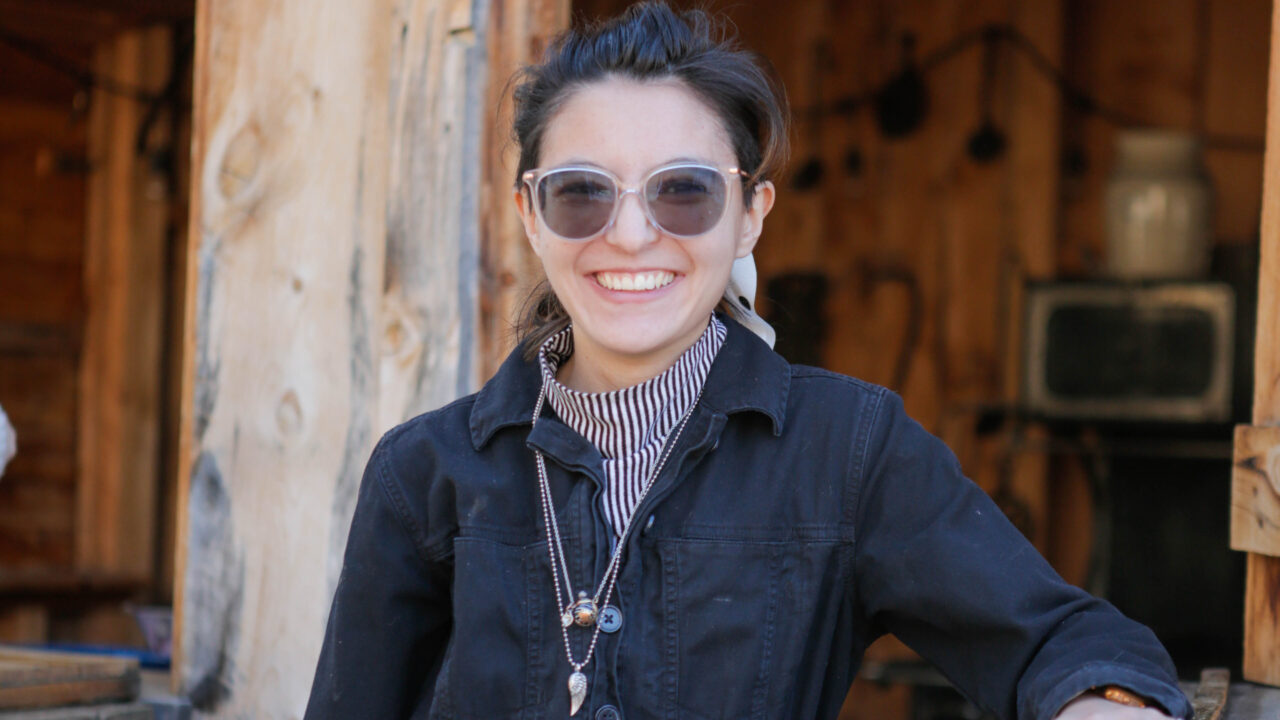
Person smiling outdoors, wearing sunglasses and a black jacket

Staff & Board

Meet the team dedicated to western storytelling, historic education, and the preservation of this unique Denver landmark.
Learn More
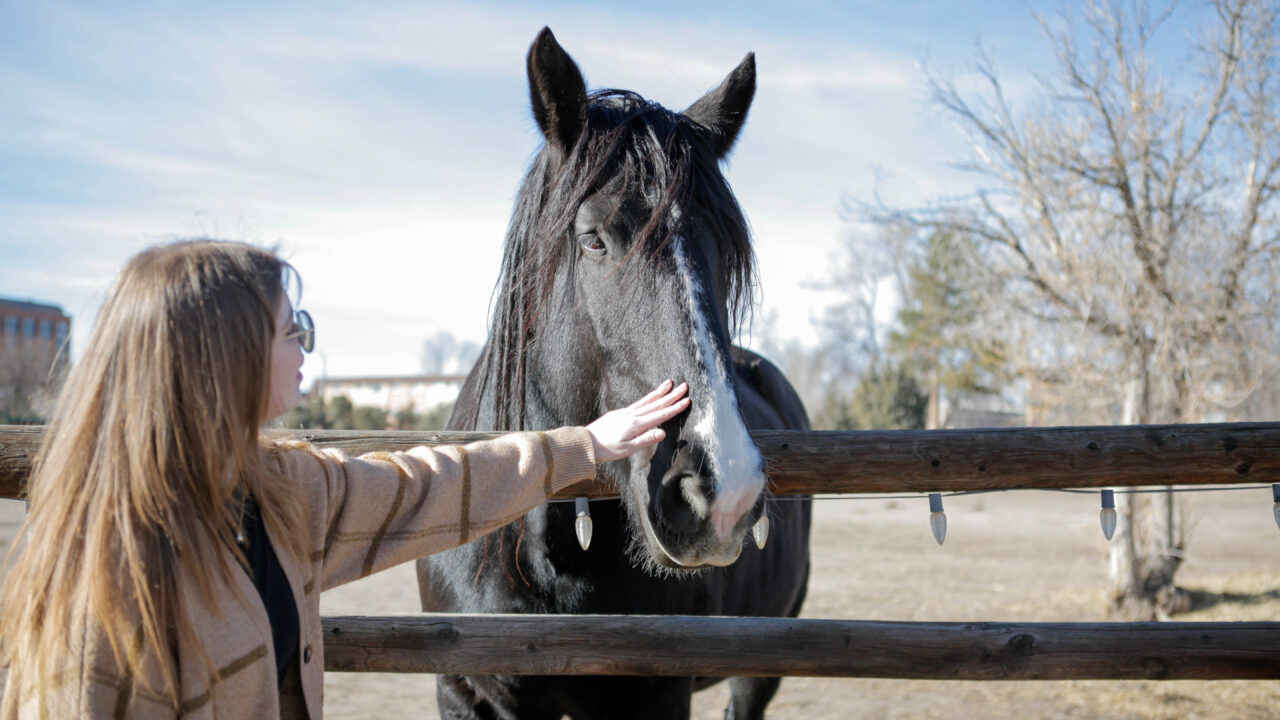
C4A2621 petting large black horse over wooden fence on a sunny day

Farm Animals

Our livestock bring this historic Park to life; get to know Four Mile’s year-round residents.
Learn More
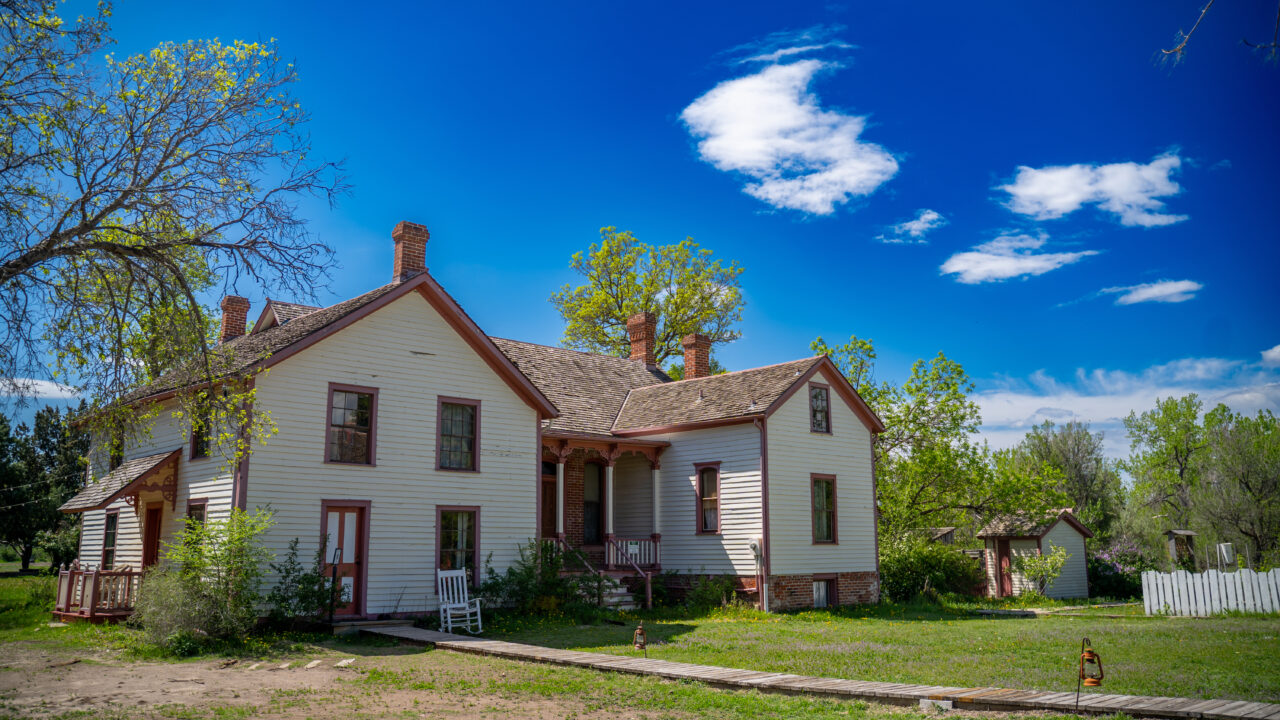
Historic house in Four Mile Park under clear blue sky

Land Acknowledgement

As Four Mile Historic Park works to broaden the stories the Park shares, Four Mile acknowledges that the land the Park occupies is unceded Indigenous territory. Read Four Mile’s living Land Acknowledgement to learn more.

Learn More

Get More From Four Mile

Members save on all events, programs, and classes at Four Mile.

Support Four Mile

Donate today to support the Four Mile House, the Park’s resident critters, and education initiatives.